

Why do you read books about different cultures? You may read books about culture to get an intimate glimpse into other people and places. You may love learning from inspiring stories, expand the way you think, or travel through the words on the page. When travel is not an option, books can take you anywhere.
You may also love books that challenge your thinking and break cultural barriers. You may love books that inspire you and remind you that you are not so different from anyone else. Books are enlightening. They open your mind and your world. They open windows to new ideas and act as mirrors to our own experiences.
We hope this list inspires you and helps you learn about a new place in the world, or an interesting way that people live. Here are twenty-one of the best books about different cultures for you to enjoy.
Teaching about culture in your classroom?
These books are a great starting point. Pair them with hands-on social studies activities that help students explore their own identities and learn about the experiences of others.
Explore our Cultural Identity Unit →
Non-Fiction Books about Different Cultures
1. Behind the Beautiful Forevers by Katherine Boo
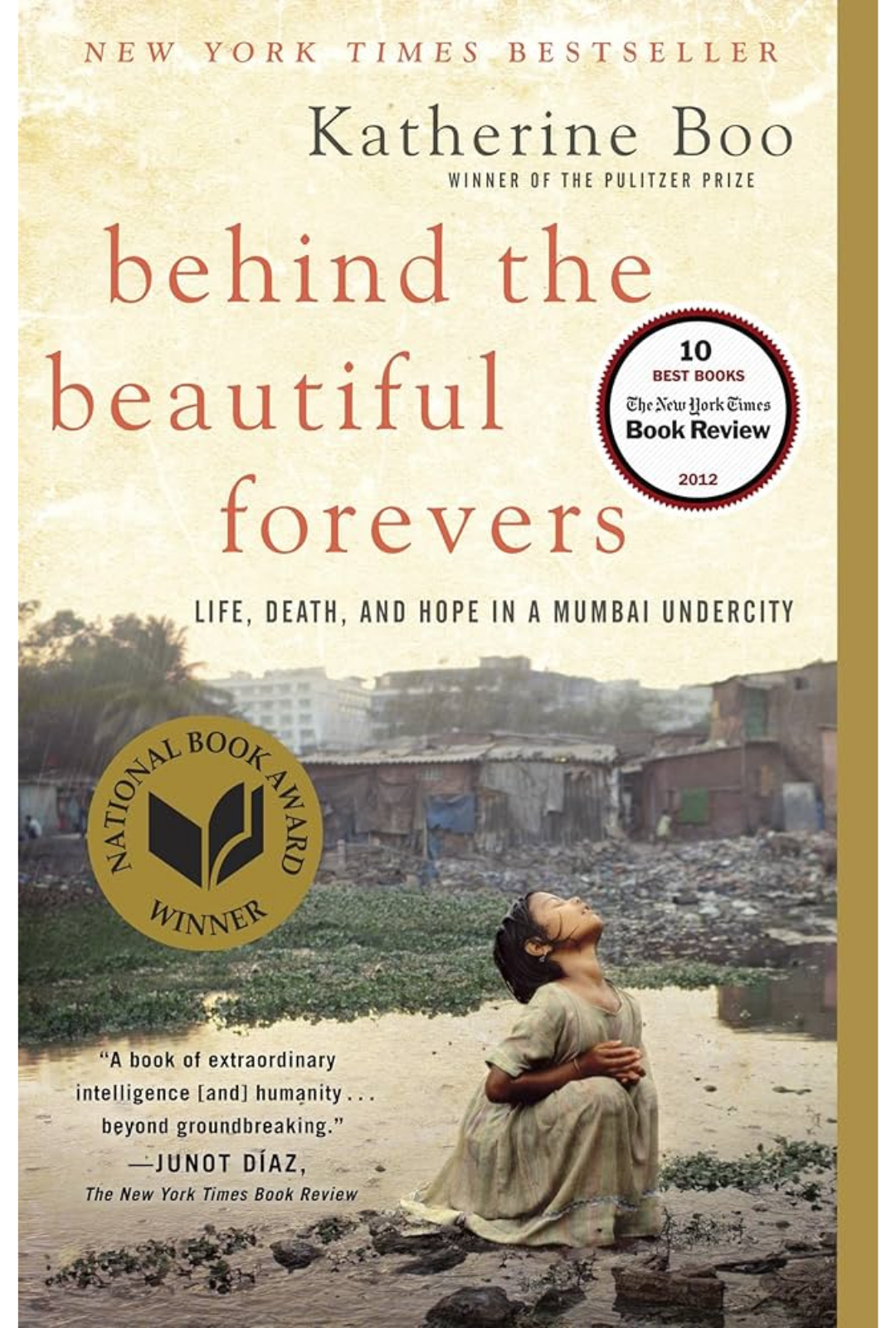
Read for Stories about India, inequality, and the caste system
Behind the Beautiful Forevers tells a story of the dichotomy between Annawadi, a slum by the Mumbai international airport, and the luxury hotels surrounding it. India is one of the fastest-growing economies in the world. Katherine Boo humanizes those who are left behind, recounting the three years she spent exploring the lives of the families who call Annawadi their home.
2. Open Veins of Latin America by Eduardo Galeano
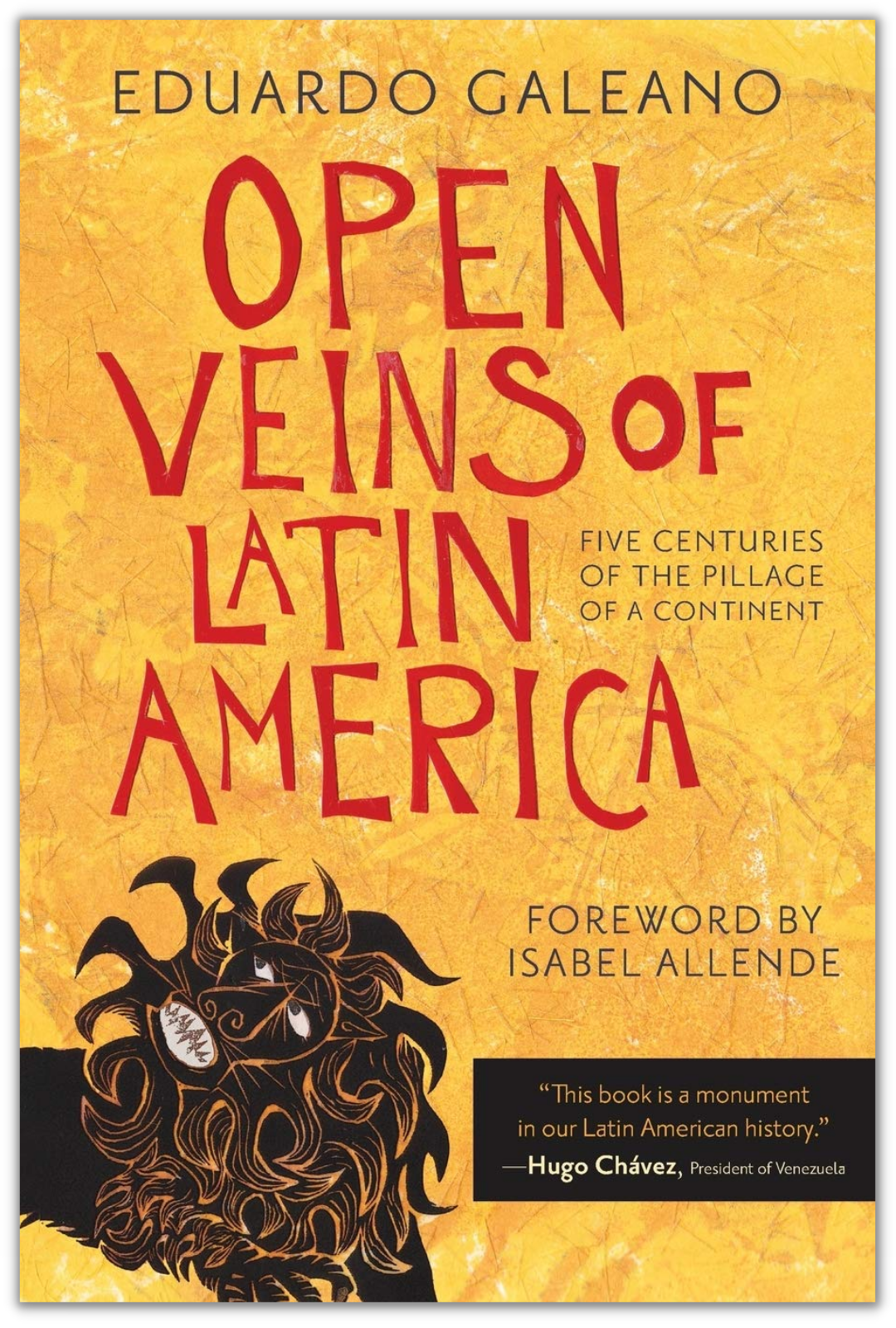
Read for Latin America, social and cultural history, colonization, and colonialism
Eduardo Galeano traces how wealth flowed out of Latin America for over 500 years, from early Spanish and Portuguese conquest to modern day. The book is organized around extracted resources that drained the continent, including gold and silver, sugar, coffee, cotton, rubber, petroleum, and minerals like copper, tin, and iron. These are the veins which he traces through the body of the entire continent and into Europe and the United States.
3. Funny in Farsi by Firoozeh Dumas
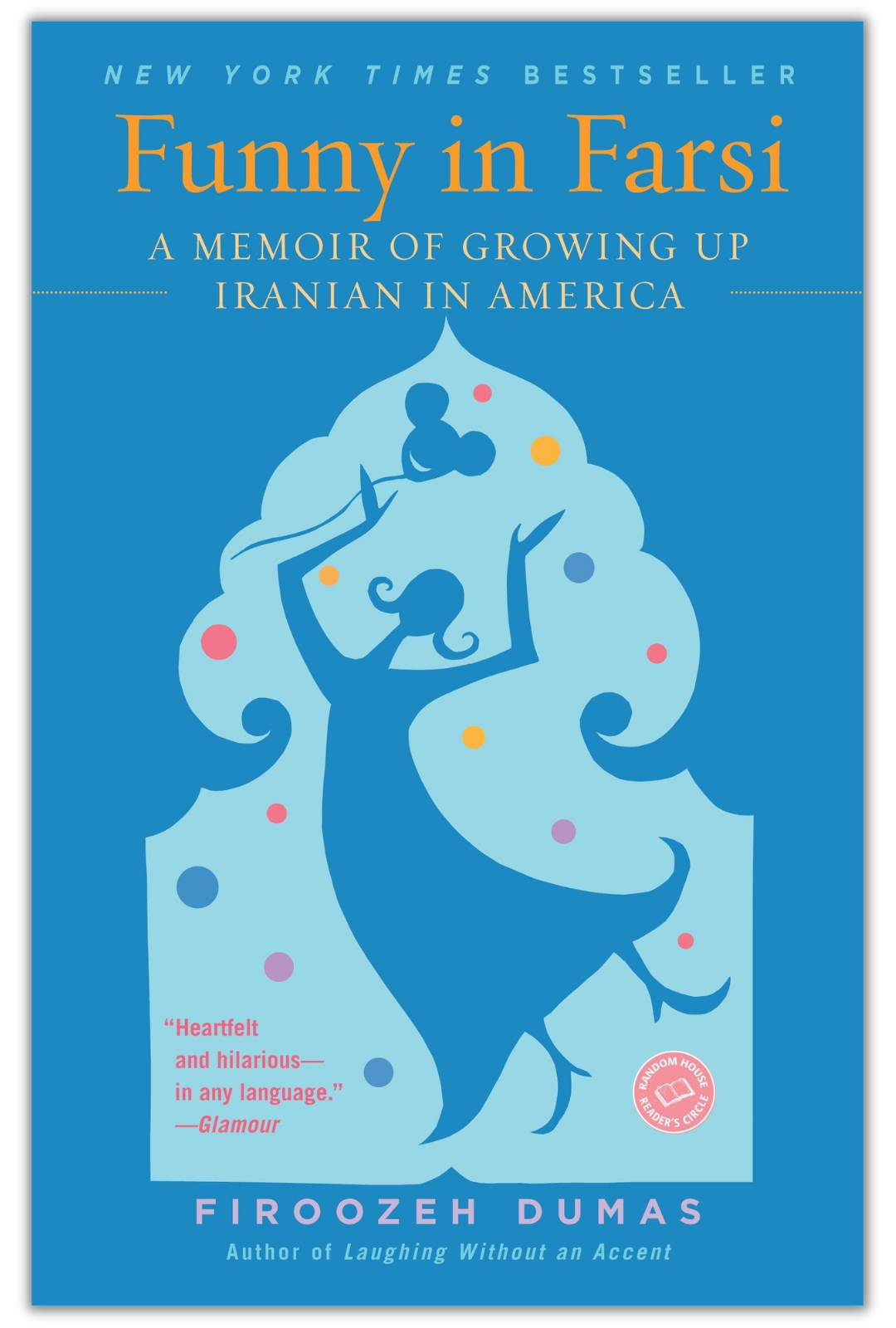
Read for Iran, Iranian-American stories of an immigrant family, and cultural differences
Funny in Farsi chronicles the journey of Dumas and her family. In 1972, at age seven, they moved from Iran to California. The book shares stories about her life in the United States for the next several decades (with a brief return to Iran). The book explores themes of adjusting to a different culture and dealing with her extended family, most of whom also moved to the U.S. in the 1970s.
4. Three Tigers, One Mountain by Michael Booth
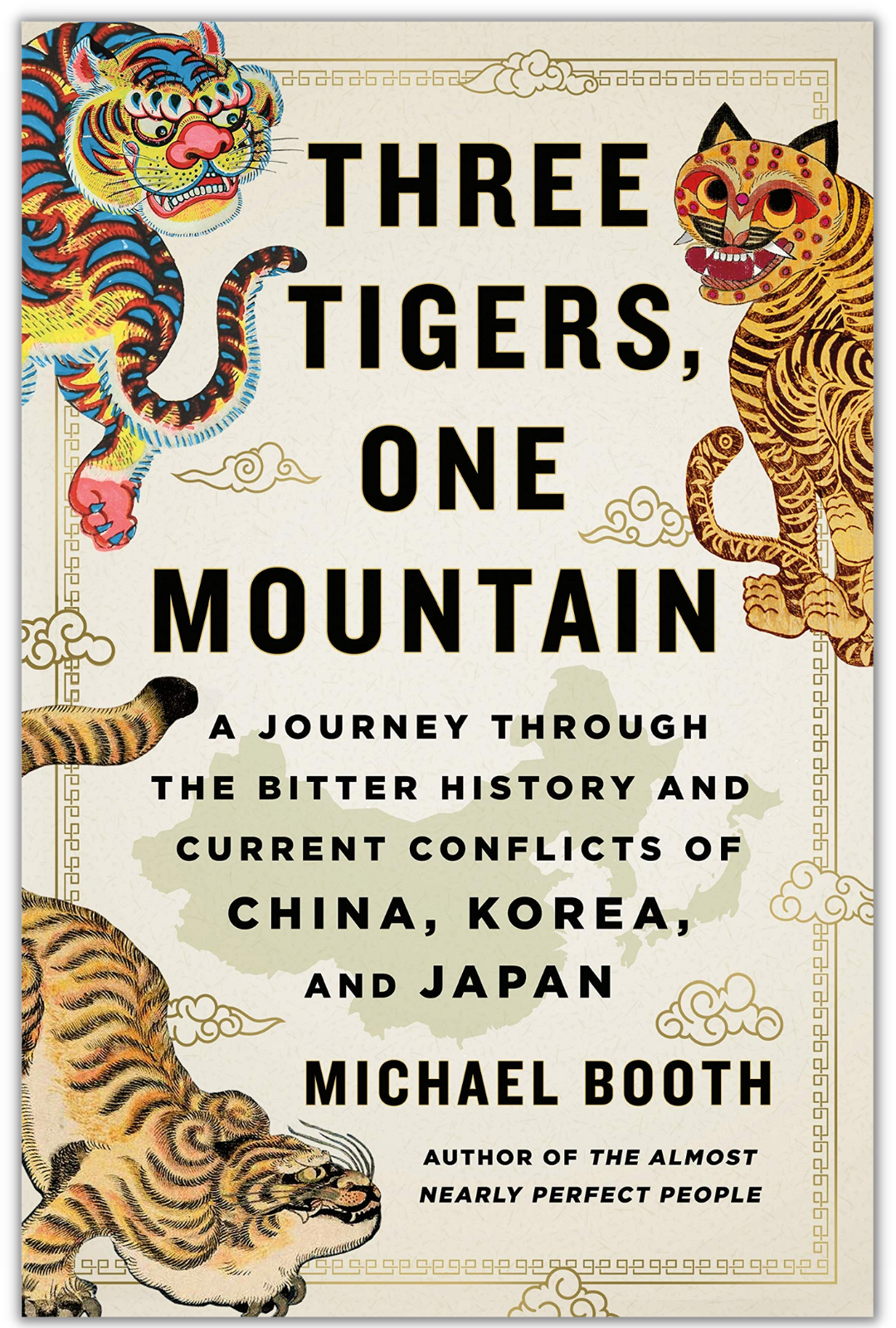
Read for Asia, China, Japan, Korea, social and cultural history
An ancient Chinese proverb says that “two tigers cannot share the same mountain.” In East Asia, however, there are three tigers on that mountain: China, Japan, and Korea. These countries have a long history of turmoil and tension with each other. In Michael Booth's newest travelogue, he sets out to understand the animosity between these three “tiger” nations and understand their barriers to peace.
5. Think Again by Adam Grant
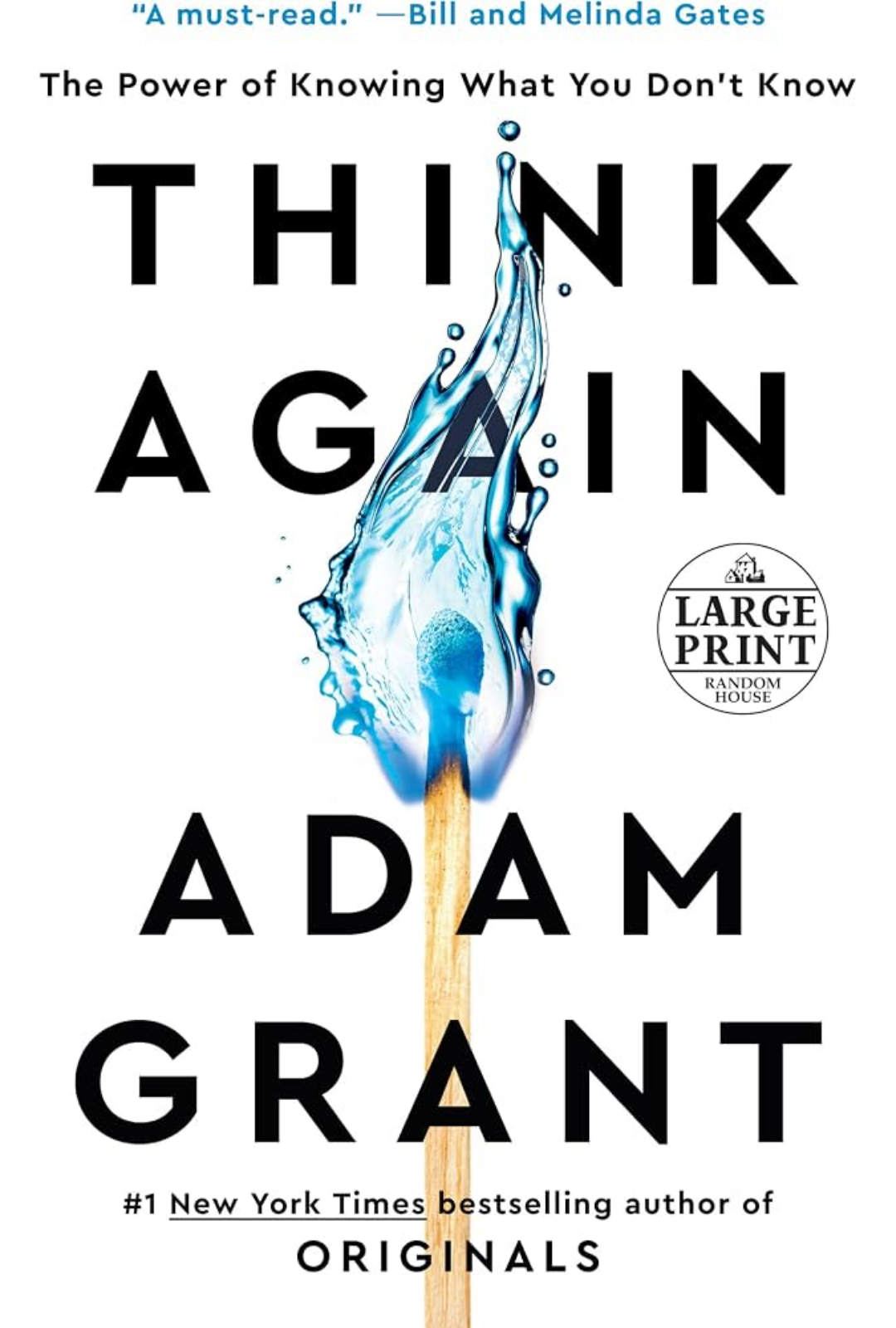
Read for Personal Growth, Critical Thinking, Thinking to Learn
Think Again reveals that we don't have to believe everything we think or internalize everything we feel. It's an invitation to let go of views that are no longer serving us well and prize mental flexibility over foolish consistency. If knowledge is power, knowing what we don't know is wisdom.
Learn how to rethink and unlearn with Adam Grant's stories, wisdom, and advice to keep an updated mind and develop your muscle for lifelong learning.
6. Unbowed by Wangari Maathai
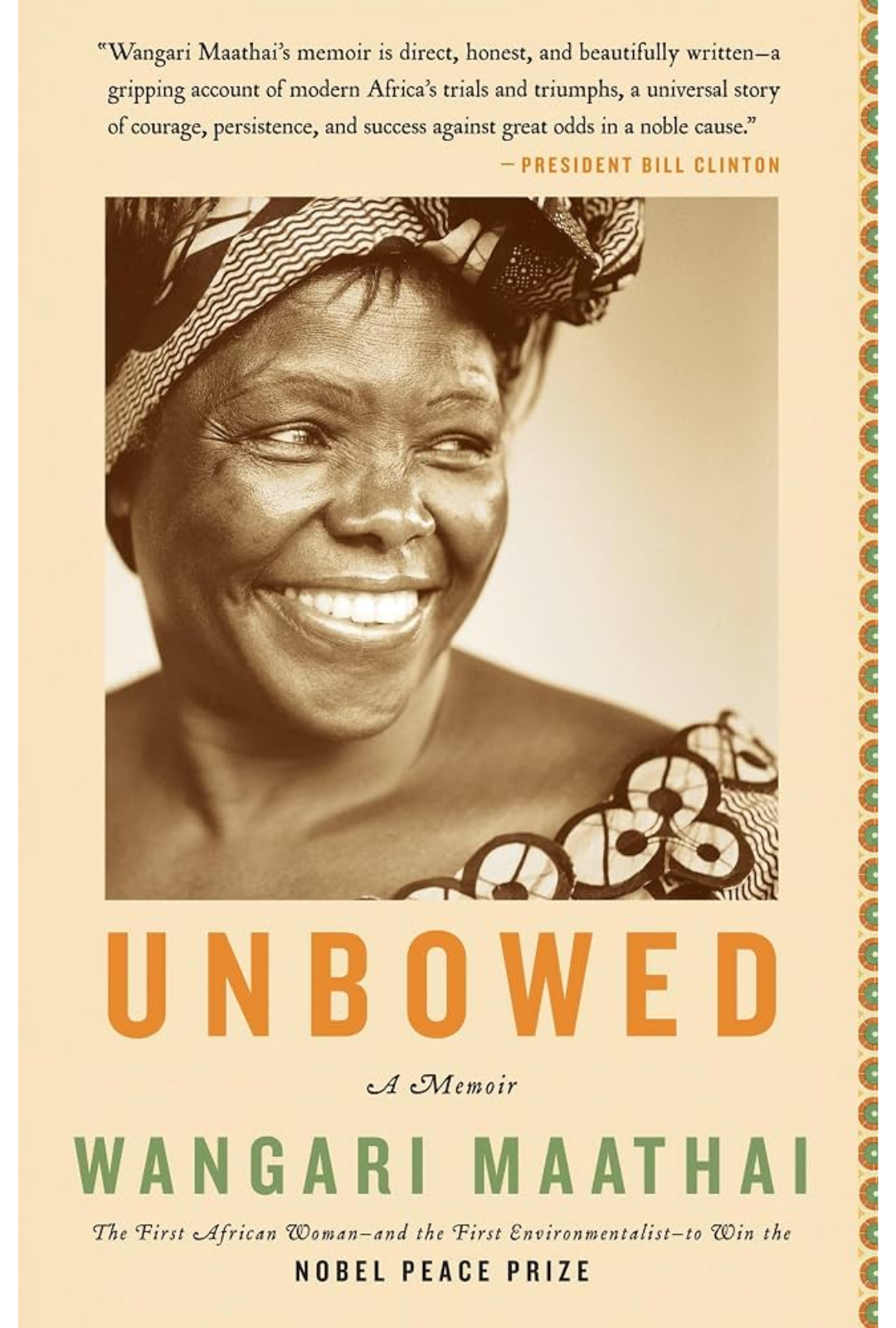
Read for Kenya, environmental activism, and sustainability
In Unbowed, Wangari Maathai shares her life from childhood until she was awarded the Nobel Peace Prize in 2004. She writes about her childhood, her education in the United States and her return to Kenya. She recounts her life as an environmentalist and political activist, culminating with the victory of the opposition in the 2002, elections against the ruling party and her election to parliament, followed shortly after by the Nobel Prize. Maathai stresses the connection between environmental conservation and good governance.
7. The Year of Living Danishly by Helen Russell
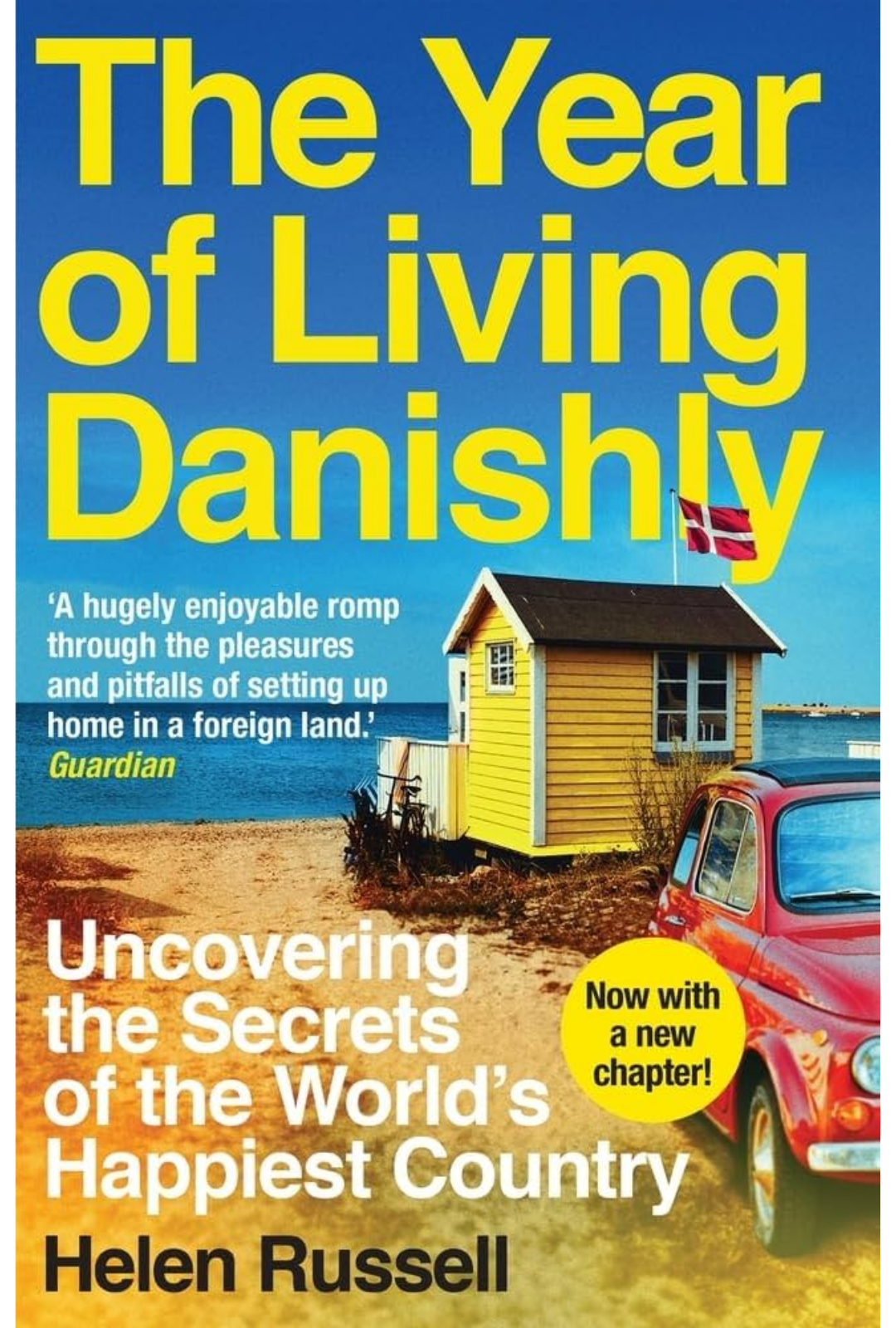
Read for Denmark, light-hearted lifestyle, journalistic memoir
Helen Russell is suddenly given the opportunity of a new life in rural Jutland, Denmark - a country with the reputation as the happiest place on Earth. Russell explores the secret to Denmark’s success through a ear of living ‘Danishly.’ The Year of Living Danishly is a funny, poignant record of a journey that shows where Danes get it right, where they get it wrong, and how you can benefit from living a little more Danishly.
8. Fifth Sun: A New History of the Aztecs by Camilla Townsend
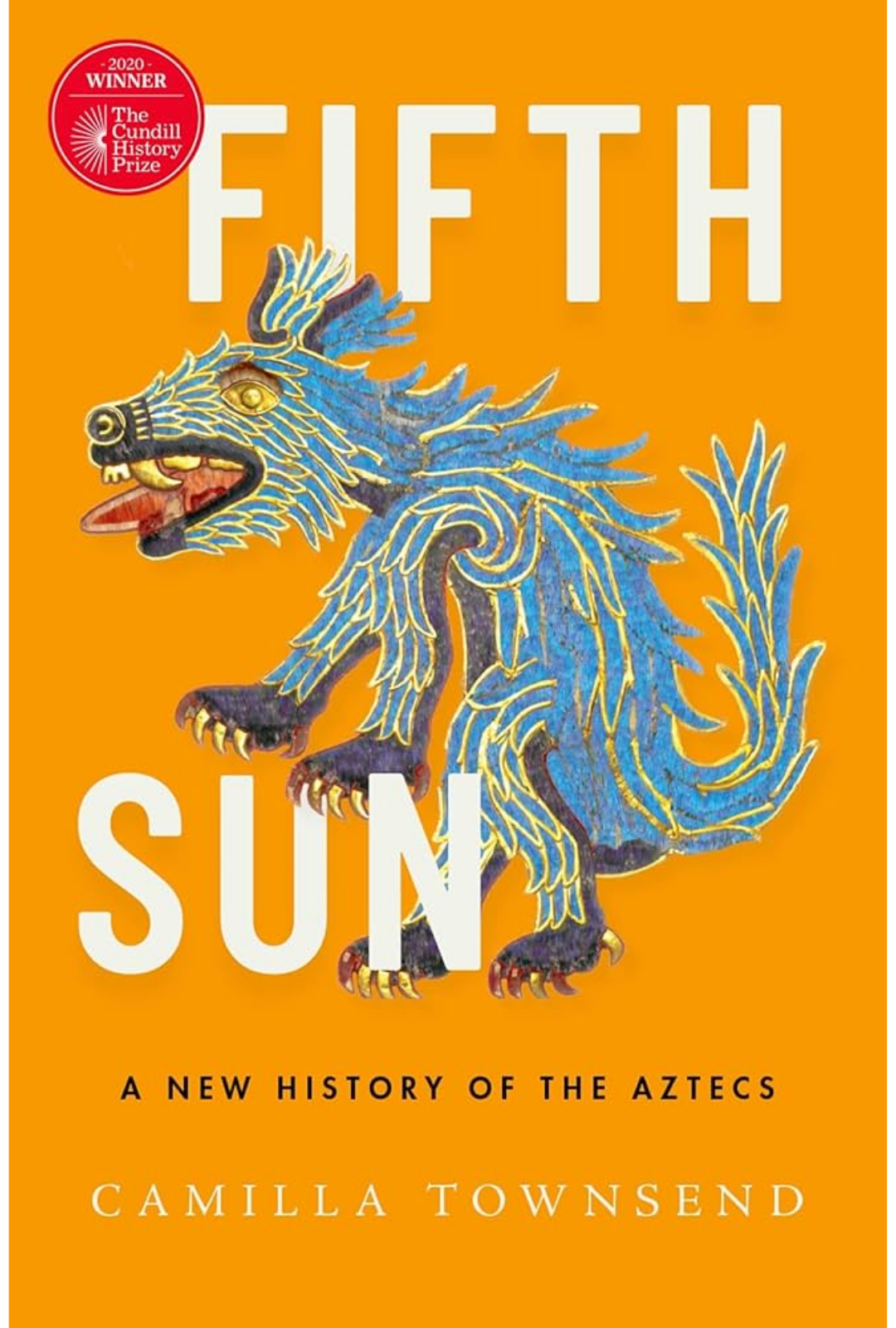
Read for South America, indigenous history
For the first time, in Fifth Sun, the history of the Aztecs is offered in all its complexity based solely on the texts written by the indigenous people themselves. Camilla Townsend presents an accessible and humanized depiction of these native Mexicans, rather than seeing them as the exotic, bloody figures of European stereotypes. The conquest, in this work, is neither an apocalyptic moment, nor an origin story launching Mexicans into existence. The Mexica people had a history of their own long before the Europeans arrived and did not simply capitulate to Spanish culture and colonization. Instead, they realigned their political allegiances, accommodated new obligations, adopted new technologies, and endured.
9. The Blue Zones of Happiness and The Blue Zones: 9 Lessons for Living Longer by Dan Buettner
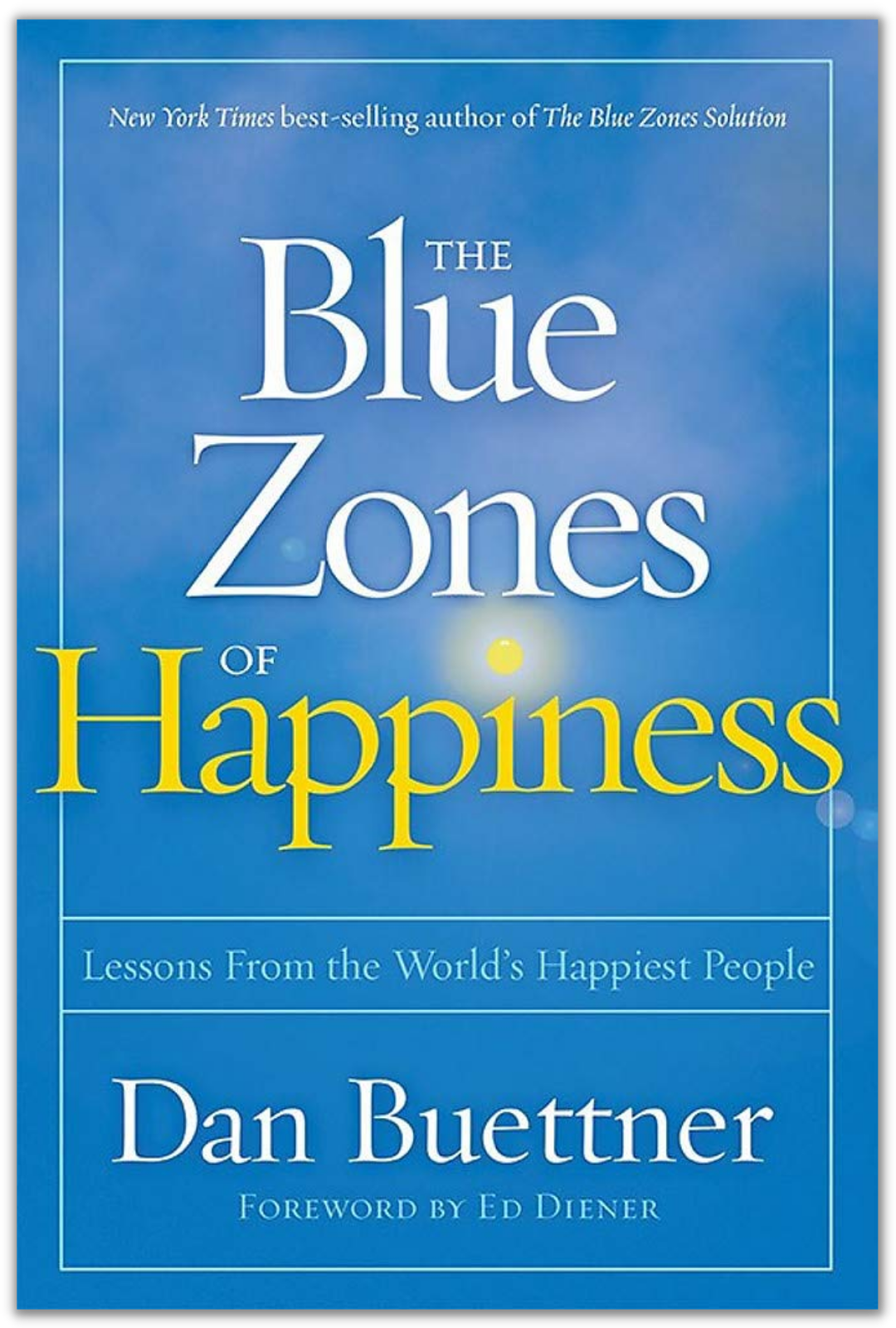
Read for Wellness, Health, Happiness, Lifestyle, Greece, Italy, Japan, Costa Rica, California, Singapore, Denmark
Not only will Dan Buettner's books improve your wellness, but you'll explore parts of the world that are often overlooked in novels. From Sardinia Italy to Singapore, explore the cultures, diets, habits, and outlooked of 8 incredible world regions. Learn what makes them some of the healthiest and happiest places on Earth, and how you can apply their secret sauce to your own life.
10. Factfulness: Ten Reasons We're Wrong About the World – and Why Things Are Better Than You Think by Hans Rosling
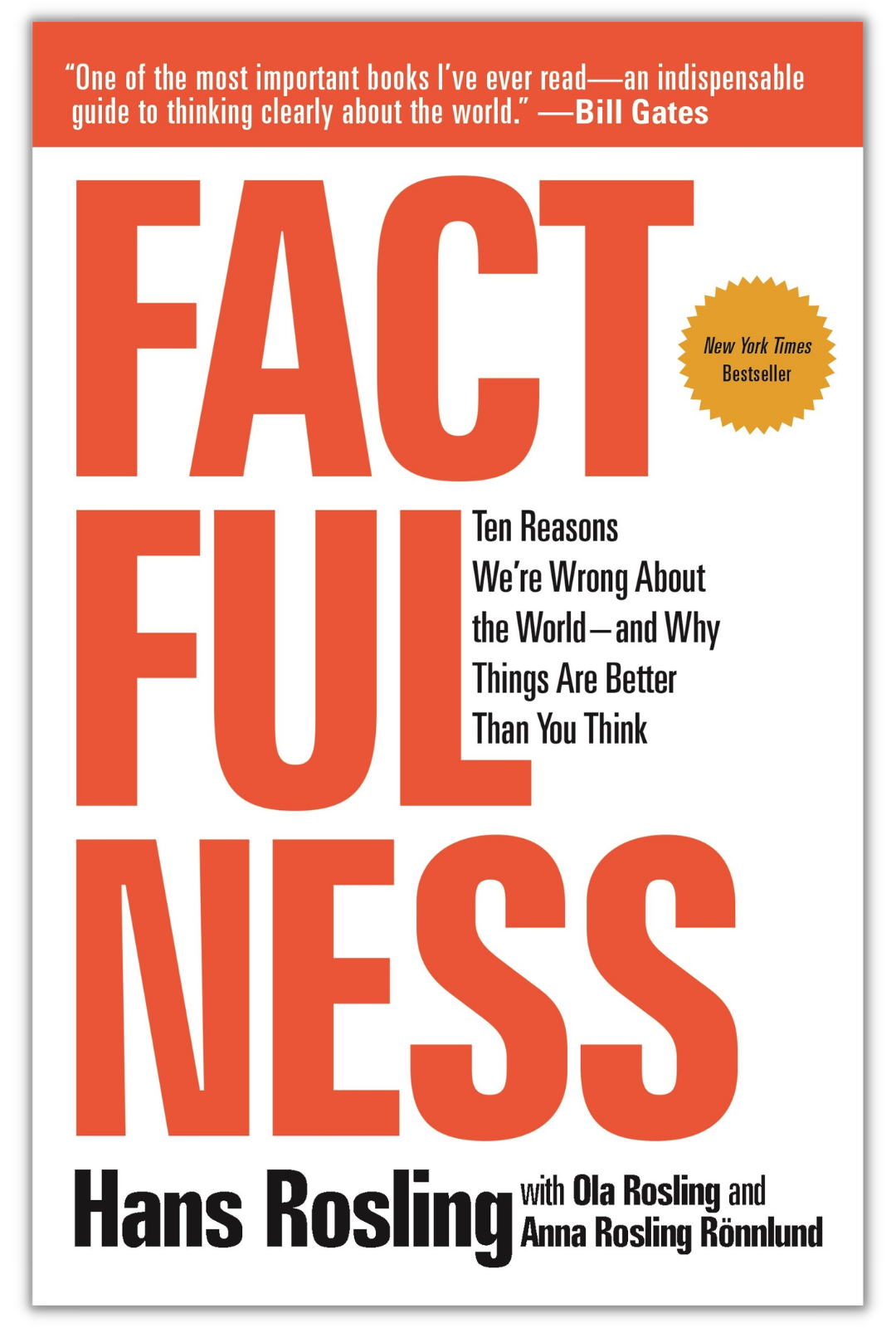
Read for How to Think, Update Your Worldview, Facts, Data
Factfulness is the stress-reducing habit of only carrying opinions for which you have strong supporting facts. When asked simple questions about global trends--what percentage of the world's population live in poverty; why the world's population is increasing; how many girls finish school--w most people systematically get the answers wrong. So wrong that a chimpanzee choosing answers at random will consistently outguess teachers, journalists, Nobel laureates, and investment bankers. In Factfulness, Professor of International Health Hans Rosling, with collaborators, Anna and Ola, offers a radical new explanation of why this happens and reveals ten instincts that distort people's perspectives.
11. The Finnish Way and Sisu by Katja Pantzar
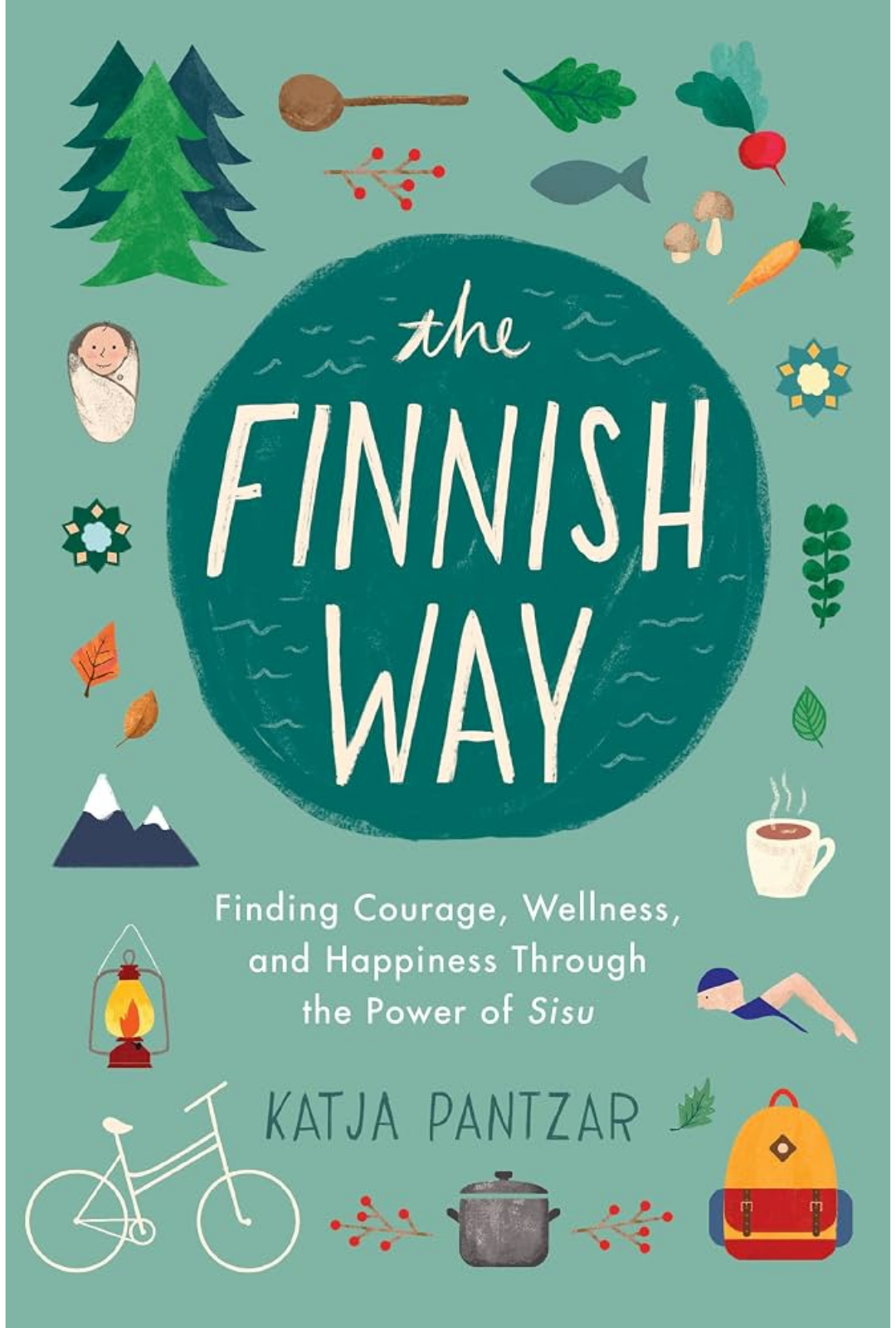
Read for Finland, happiness, mindful practices, health, lifestyle
Forget hygge--it's time to blow out the candles and get out into the world Journalist Katja Pantzar did just that, taking the huge leap to move to the remote Nordic country of Finland. What she discovered there transformed her body, mind and spirit. In this engaging and practical guide, she shows readers how to embrace the keep it simple and sensible daily practices that make Finns one of the happiest populations in the world, year after year.
12. The Almost Nearly Perfect People by Michael Booth
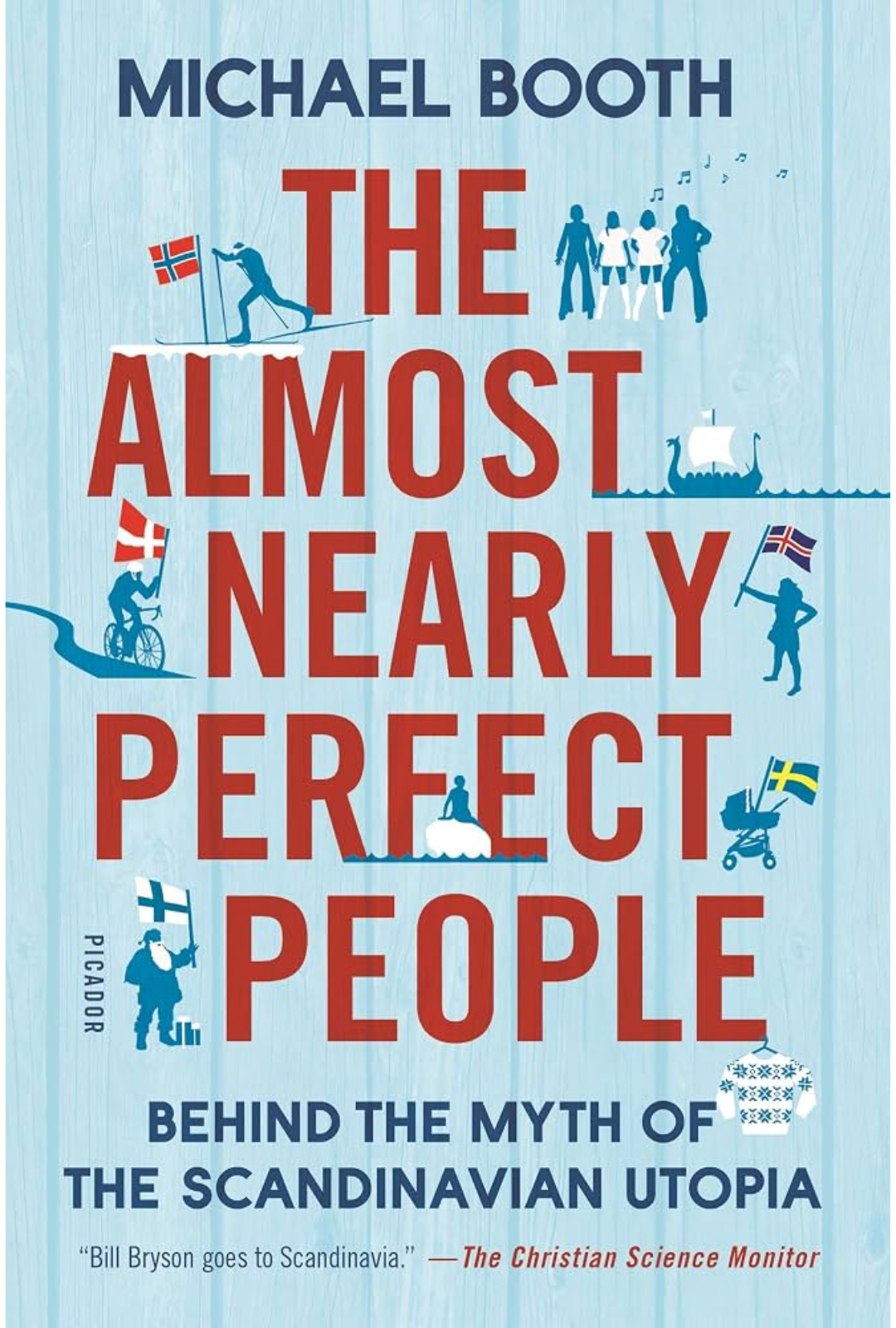
Read for Denmark, Nordic countries, Scandinavia, data-driven
Journalist Michael Booth has lived among the Scandinavians for more than ten years, and he has grown increasingly frustrated with the rose-tinted view of this part of the world offered up by the media. In The Almost Nearly Perfect People, he leaves his adopted home of Denmark and embarks on a journey through all five of the Nordic countries to discover who these curious tribes are, the secrets of their success, and, most intriguing of all, what they think of one another.
Fiction Books about Different Cultures
13. Things Fall Apart by Chinua Achebe
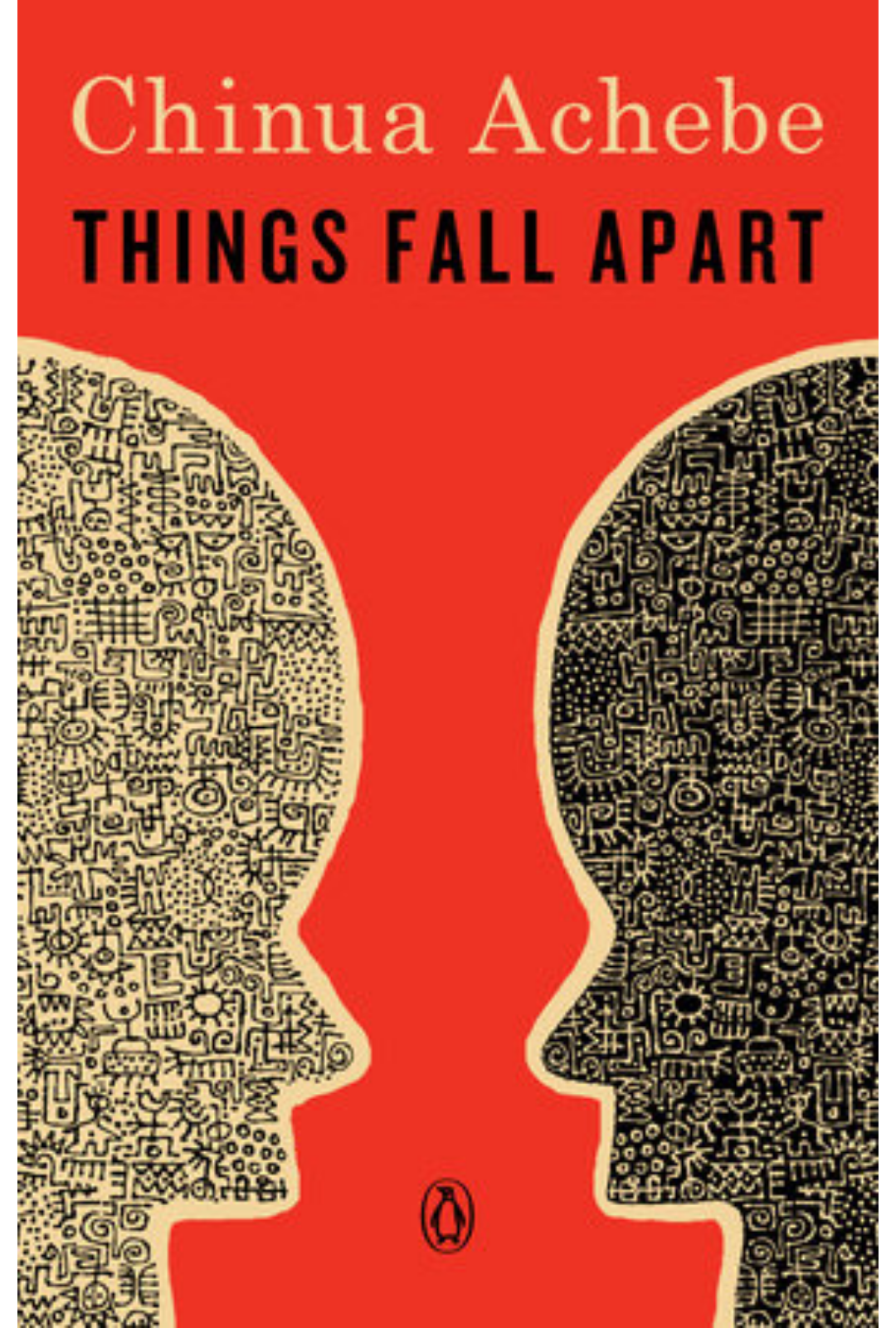
Read for Nigeria, Colonization of Africa, History of Nigeria
Things Fall Apart is a classic narrative about Africa's cataclysmic encounter with Europe as it establishes a colonial presence on the continent. Told through the fictional experiences of Okonkwo, a wealthy and fearless Igbo warrior of Umuofia in the late 1800s, Things Fall Apart explores one man's futile resistance to the devaluing of his Igbo traditions by British political and religious forces and his despair as his community capitulates to the powerful new order.
14. The Alchemist by Paulo Coelho
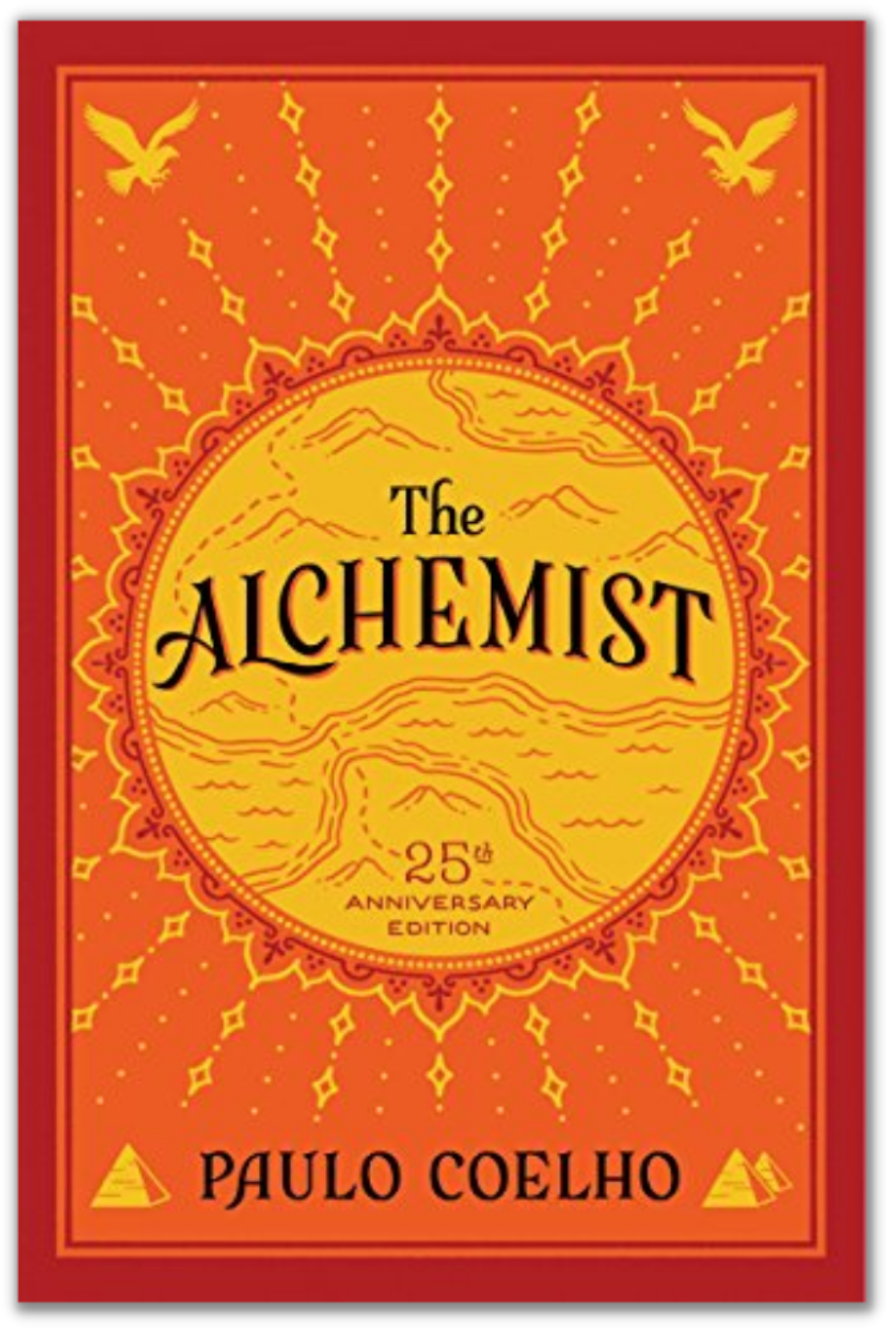
Read for Spain, North Africa, Magical Realism, Language Differences, Travel
The Alchemist tells the story of Santiago, an Andalusian shepherd boy who yearns to travel the world. One night, he receives a dream about a treasure and begins his quest in search of it. Santiago's journey teaches us about the essential wisdom of listening to our hearts, of recognizing opportunity and learning to read the omens strewn along life's path, and, most importantly, to follow our dreams.
15. A Thousand Splendid Suns and The Kite Runner by Khaled Hosseini
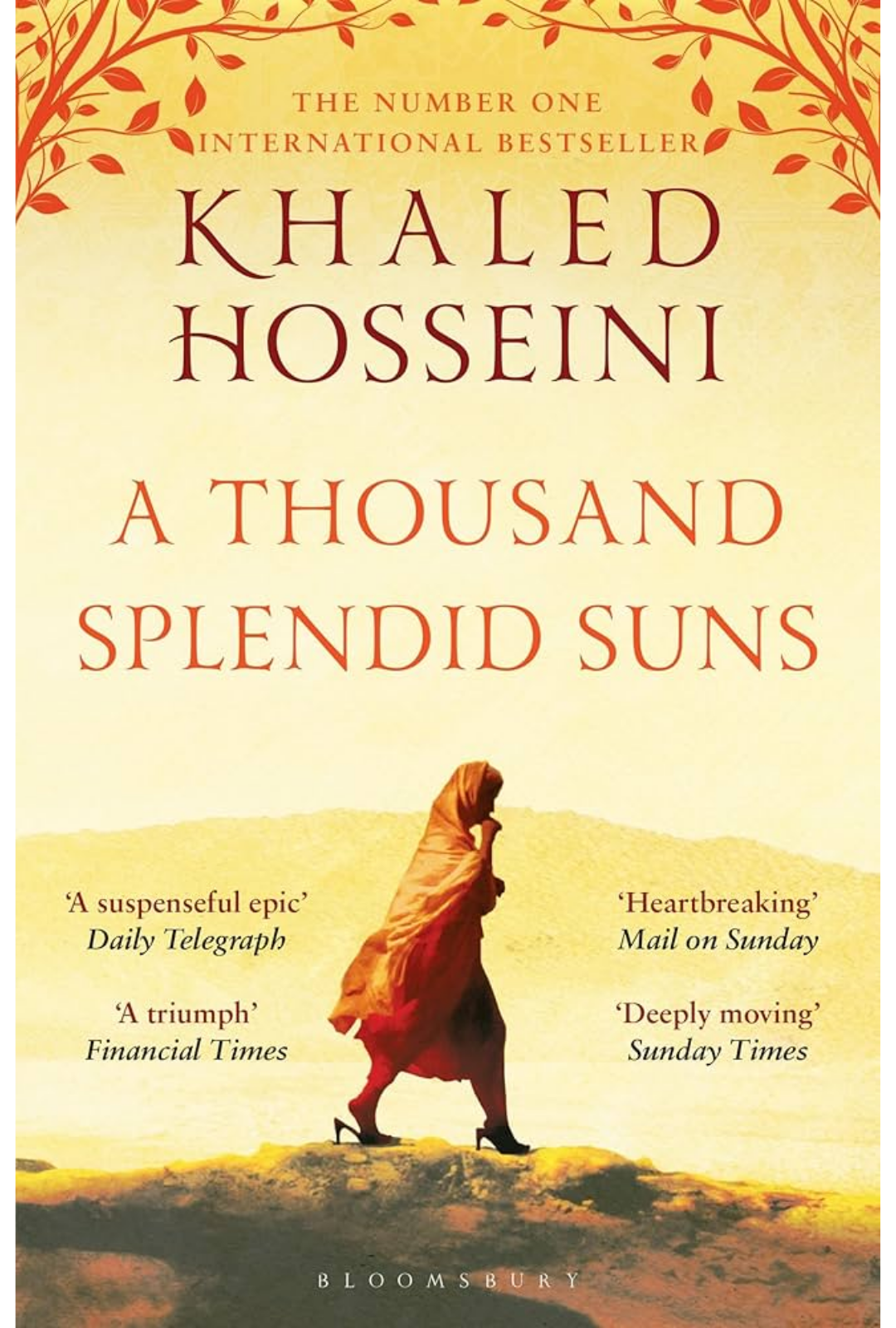
Read for Afghanistan History, Society, and Culture, Gender Issues
The Kite Runner tells the story of Amir, a young boy from Kabul. The story is set against a backdrop of tumultuous events, from the fall of Afghanistan's monartchy, through the Soviet invasion, the exodus of refugees to Pakistan and the United States, and the rise the Taliban regime.
In A Thousand Splendid Suns, Mariam, an illegitimate teenager from Herat is forced to marry a shoemaker from Kabul after a family tragedy. Laila, born a generation later, lives a relatively privileged life, but her life intersects with Mariam's when a similar tragedy forces her to accept a marriage proposal from Mariam's husband.
16. Americanah by Chimamanda Ngozi Adichie
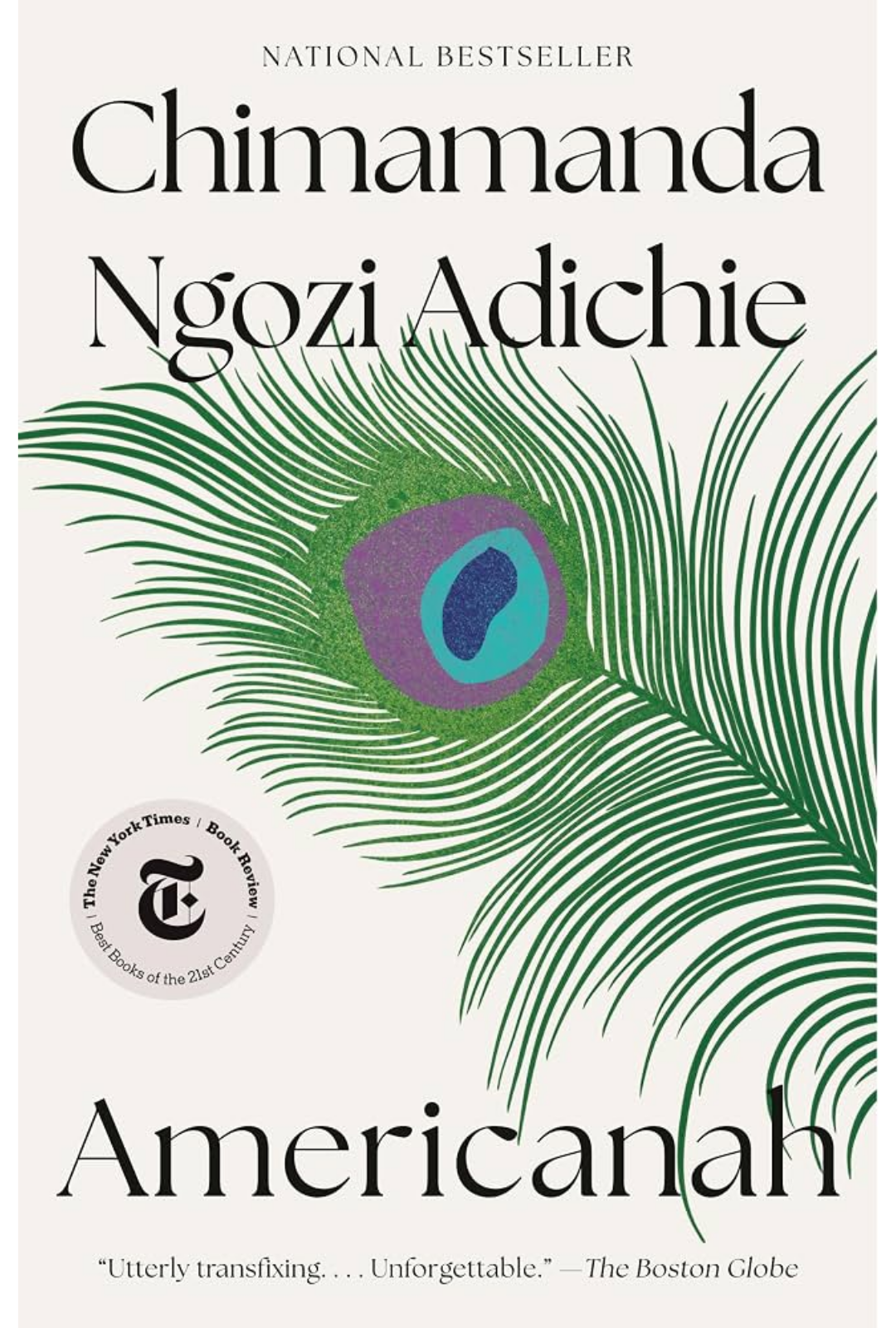
Read for Nigeria, Life of an African International Student in the USA, Cultural Clashes, Race & Colorism
Ifemelu and Obinze are young and in love when they depart military-ruled Nigeria to go to school in England and the United States. Ifemelu heads for America, where despite her academic success, she is forced to grapple with what it means to be black for the first time. Obinze had hoped to join her, but with post-9/11 America closed to him, he instead plunges into a dangerous, undocumented life in London. Fifteen years later, they reunite in a newly democratic Nigeria, and reignite their passion--for each other and for their homeland.
17. The Joy Luck Club by Amy Tan
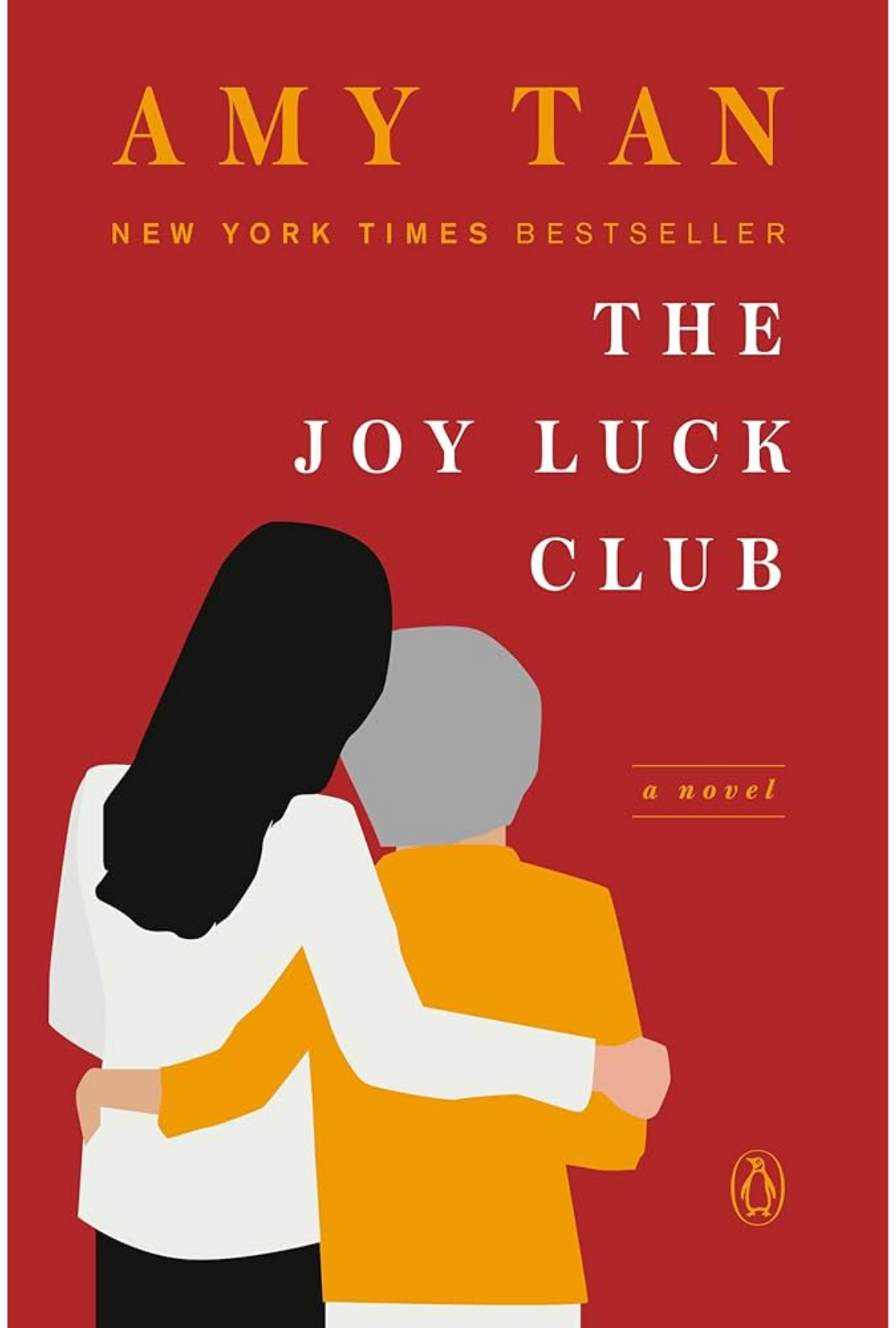
Read for Chinese-American Immigrants, San Francisco, Resilience
The Joy Luck Club tells the story of four mothers, four daughters, and four families whose stories shift depending on who's telling them. In 1949, four Chinese women, recent immigrants to San Francisco, begin meeting to eat dim sum, play mahjong, and talk. United by their stories of unspeakable tragedy and hope, they call themselves the Joy Luck Club. Rather than sink into tragedy, the four women choose to gather to raise their spirits and money. Forty years later the stories and history continue.
18. One Hundred Years of Solitude by Gabriel García Márquez
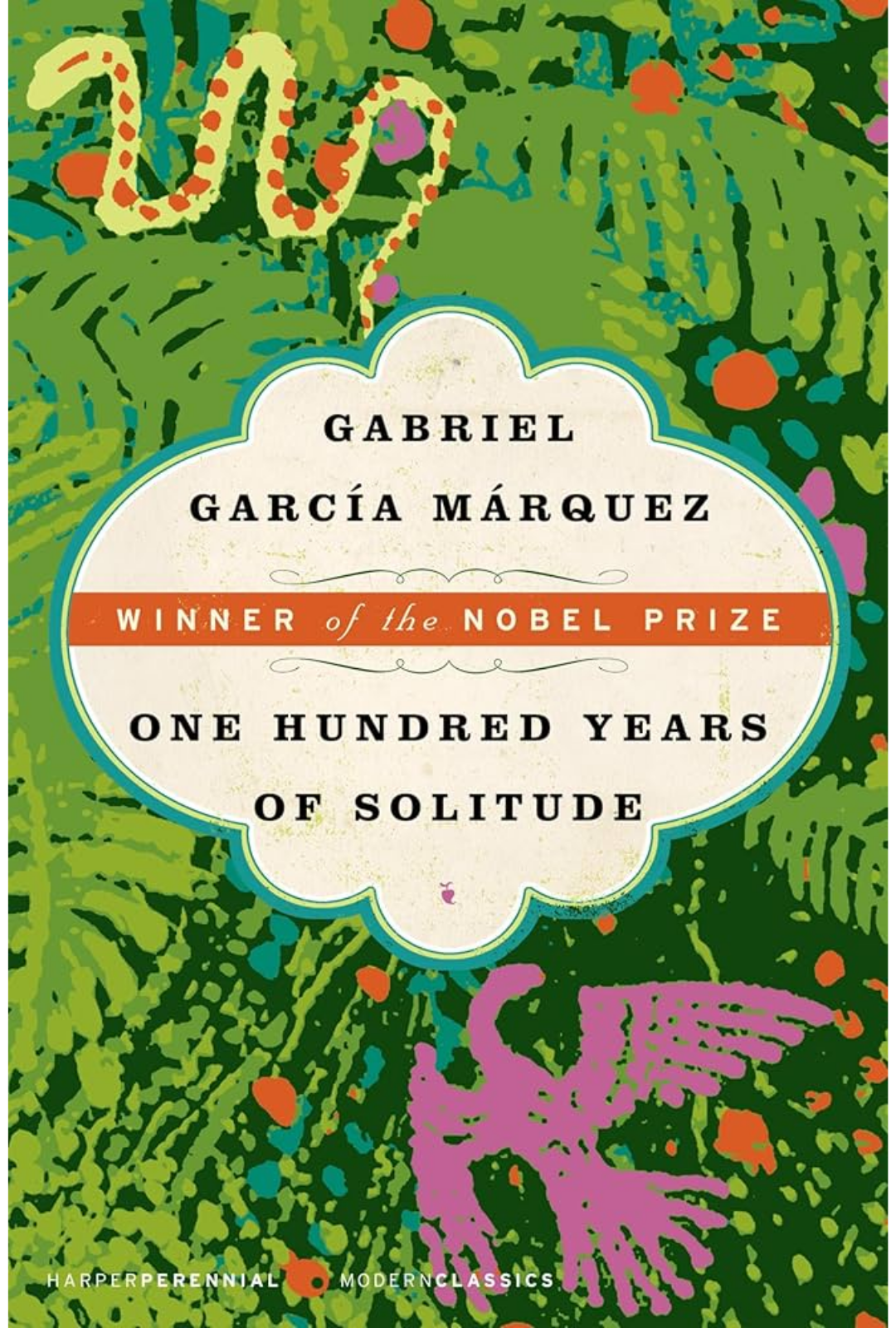
Read for Colombia, magical realism, commentary on Colombian government
One Hundred Years of Solitude tells the story of the multi-generational Buendía family, whose patriarch, José Arcadio Buendía, founded the town of Macondo. The story traverses the rise and fall, birth and death of the town of Macondo through the leadership of the Buendiá family.
19. Pachinko by Min Jin Lee
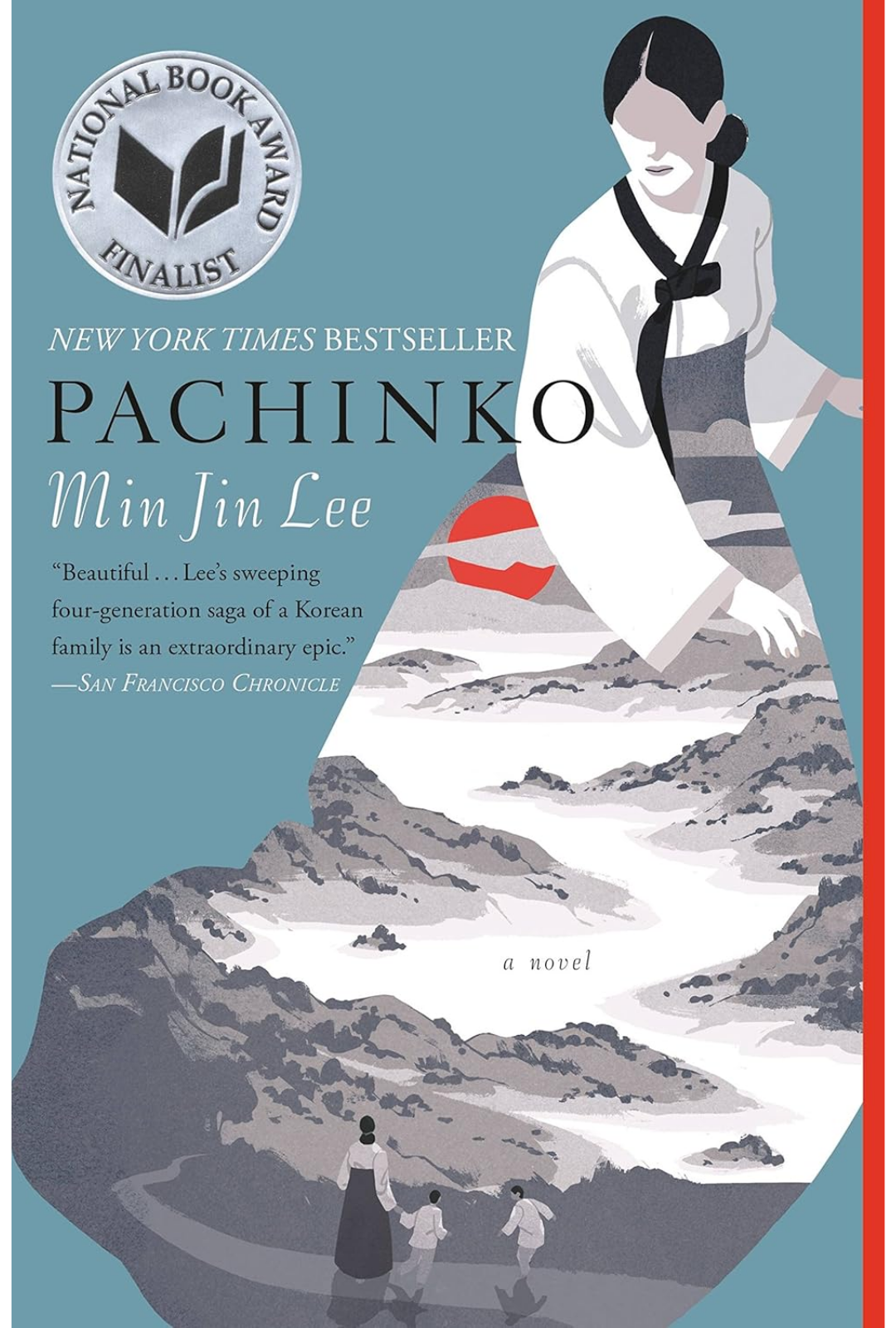
Read for historical fiction, Korea, Japan, immigration, discrimination
Pachinko follows four generations of a Korean family who move to Japan amidst Japanese colonization and political warfare. It’s a story of love, sacrifice, ambition, and loyalty that spans the years 1910 to 1989. From bustling street markets to the halls of Japan's finest universities to the pachinko parlors of the criminal underworld, Lee's complex and passionate characters—strong, stubborn women, devoted sisters and sons, fathers shaken by moral crisis—survive and thrive against the indifferent arc of history.
20. What You Are Looking For Is In The Library by Michiko Aoyama
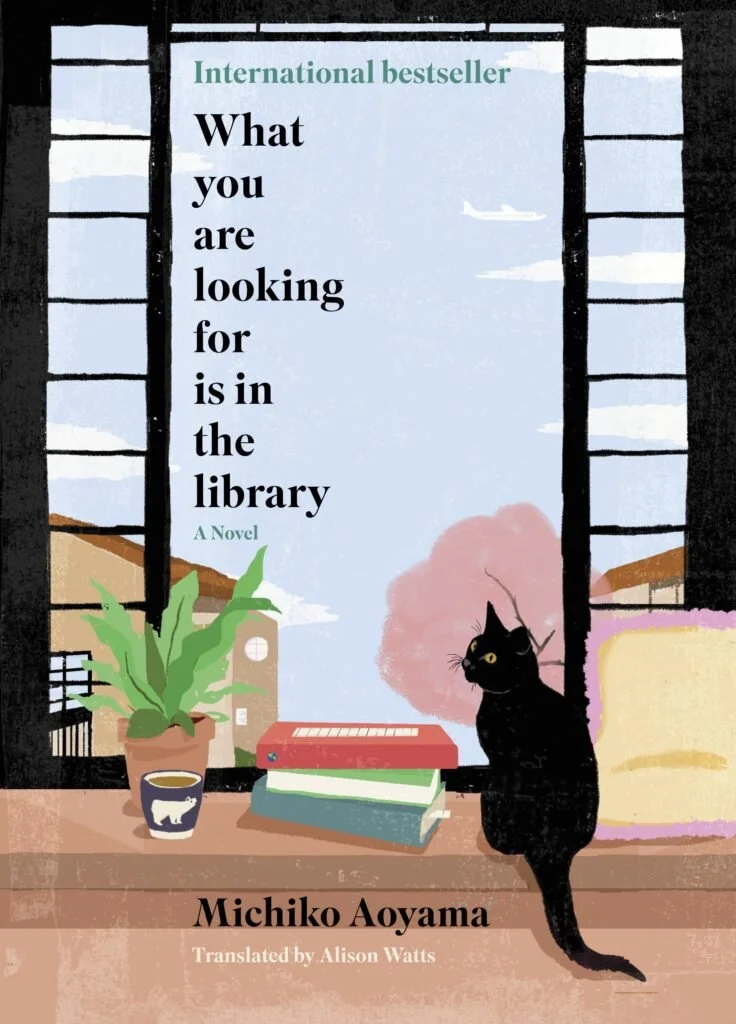
Read for Japan, love of libraries and librarians, books, life lessons, life transitions
What are you looking for? This is the famous question routinely asked by Tokyo’s most enigmatic librarian, Sayuri Komachi. Like most librarians, Komachi has read every book lining her shelves, but she also has the unique ability to read the souls of her library guests. For anyone who walks through her door, Komachi can sense exactly what they’re looking for in life and provide just the book recommendation they never knew they needed to help them find it.
21. The Island of Sea Women by Lisa See
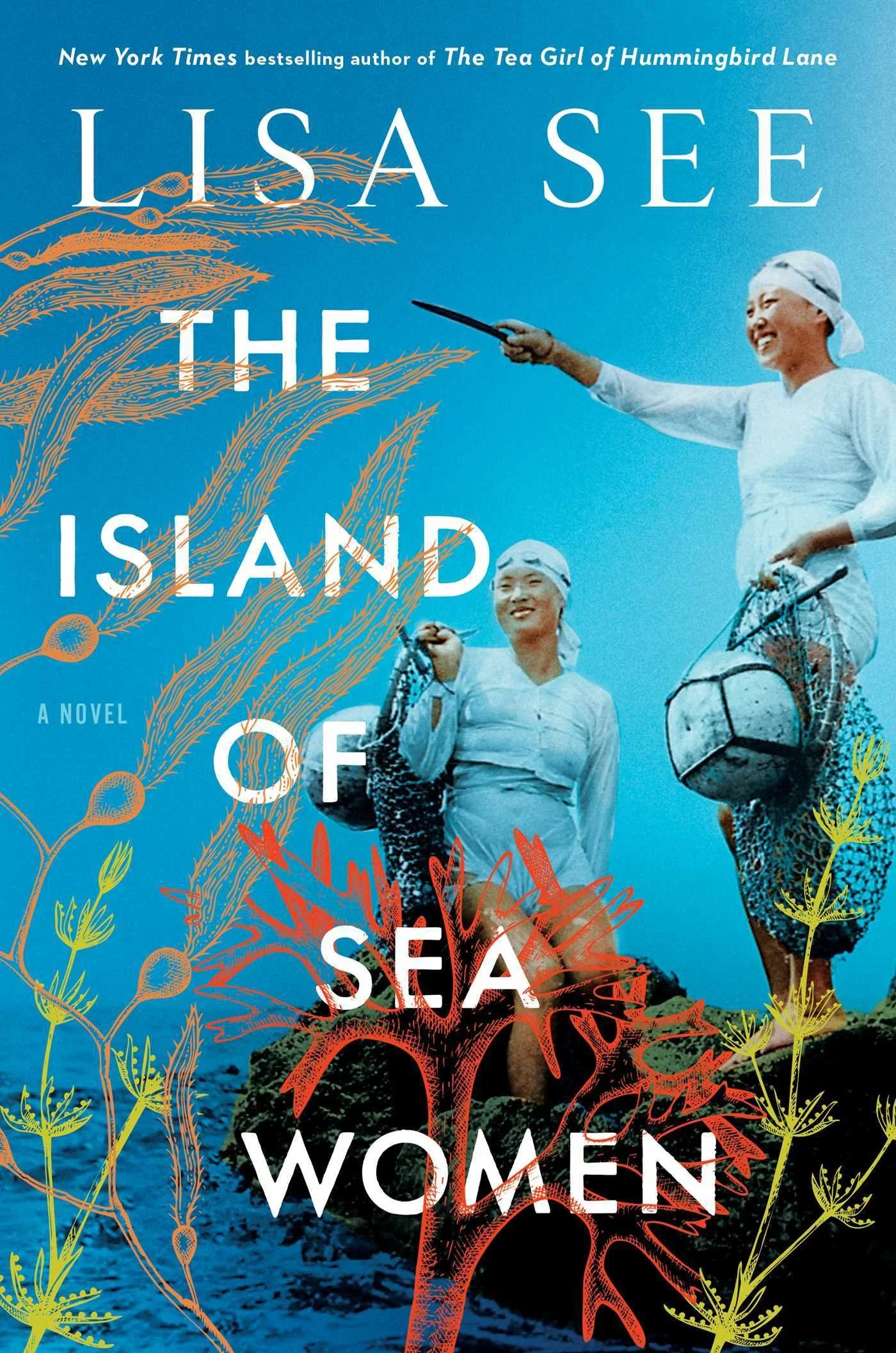
Read for Korea, resilience, motherhood, women, based on a true story
Set on the Korean island of Jeju, The Island of Sea Women follows Mi-ja and Young-sook, two girls who begin working in the sea with their village’s all-female diving collective. Through the Japanese colonialism of the 1930s and 1940s, World War II, the Korean War, and the era of cellphones and wet suits for the women divers—Mi-ja and Young-sook develop the closest of bonds. After hundreds of dives and years of friendship, forces outside their control will push their relationship to the breaking point.
We hope you enjoyed this list of books about different cultures.
Turn Great Books Into Meaningful Classroom Learning
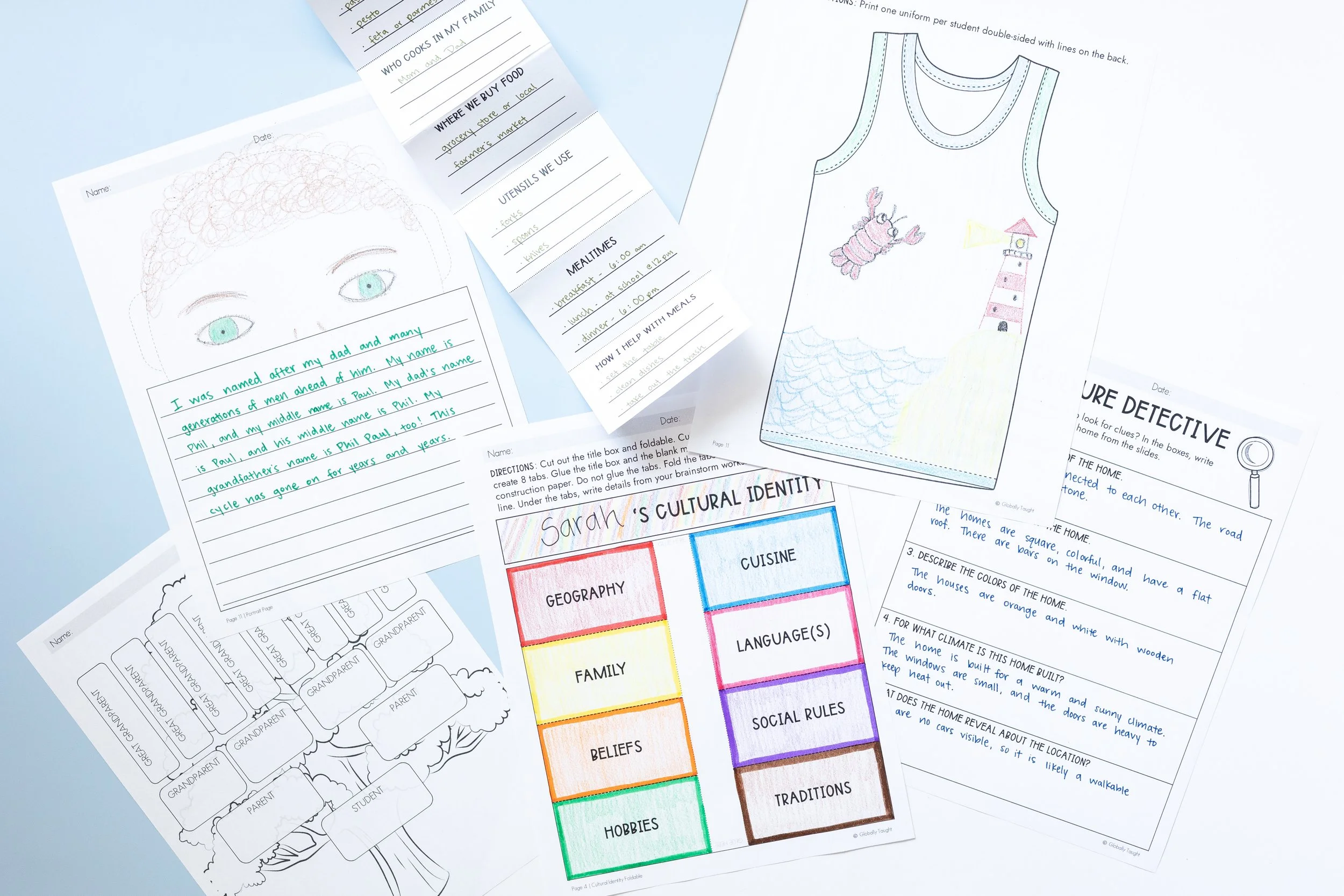
Books can open the door to conversations about identity, traditions, and the many ways people experience the world. Give students opportunities to explore those ideas through discussion, creative projects, and hands-on social studies activities.
Our Cultural Identity Unit includes six lessons, eight projects, and 14 activities to help elementary students explore their own identities and learn about cultures around the world.
Ready-to-use lesson plans and slideshows
Projects exploring names, family heritage, food, clothing, and homes
Student-friendly activities, rubrics, and examples