
How to Support Students During Ramadan: 9 Tips for Teachers

If you have students who practice Islam, it’s important to understand how to support students during Ramadan in an age-appropriate and culturally-appropriate way. Observed by nearly 24 percent of the world’s population, Ramadan is a meaningful and widely practiced religious month observance. Teaching about Ramadan for kids helps build cultural awareness, foster empathy, and ensure your Muslim students feel seen, valued, and included in your classroom community.
What is Ramadan?
Islam is one of the major world religions with 1.8 billion followers around the world. About a quarter of the world’s population is Muslim, so Ramadan is a significant global holiday.
In the map below, you can see that many followers of Islam live in North Africa, the Middle East, West Asia, and Southeast Asia. Because of global diasporas, there are followers of Islam in most countries around the world today. During Ramadan, Muslims around the world will fast from sunrise to sunset.

When is Ramadan?
Ramadan falls in the ninth month of the Islamic Calendar when the first sliver of the crescent moon appears. The Islamic Calendar is a lunar calendar, meaning it follows the cycles of the moon. The date of Ramadan shifts each year on the Gregorian calendar, which is commonly-used in the Western Hemisphere. Ramadan typically falls in the later winter or early spring.
Eid al-Fitr is a three-day celebration marking the end of Ramadan. The holiday begins the day after the last day of Ramadan.
How is Ramadan celebrated?
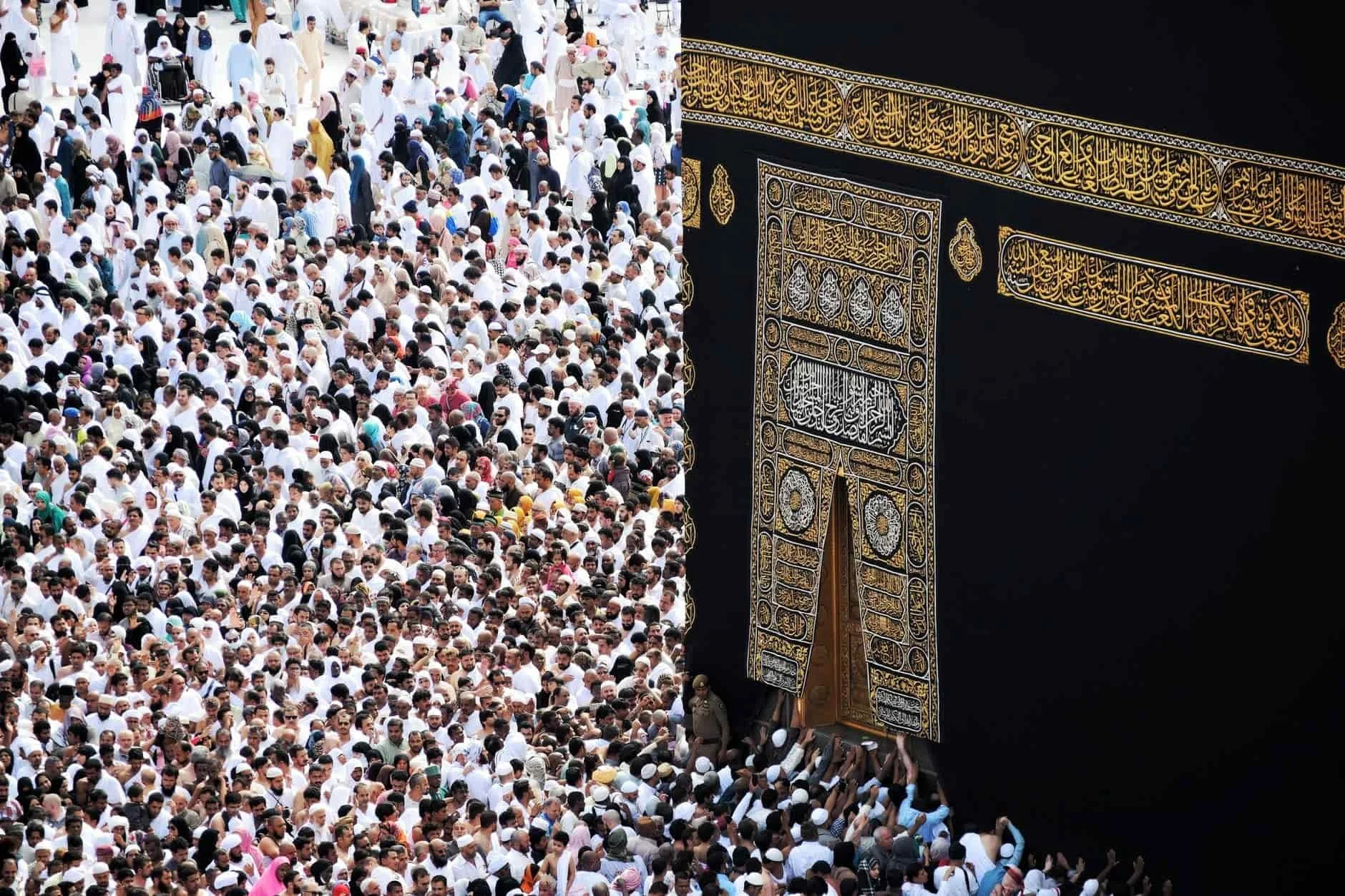
Photo by Haydan As-soendawy on Pexels.com
During Ramadan, Muslims over the age of 12 fast. This means that from sunrise until sunset, they do not eat or drink. There are two meals during Ramadan. There is an early meal before sunrise called suhoor. The fast is broken with a nighttime meal after sunset called iftar.
For Muslims, the month of Ramadan is a time to focus on faith, generosity, and charity. Sadaqah are good deeds that Muslims carry out during Ramadan. Some choose to donate food, money, or time to those in need. Others might participate in community events like picking up trash or assisting with a local food drive.
During Ramadan, some Muslims make make their pilgrimage or "Hajj" to Mecca. According to the Quran, the holy book of Islam, Muslims must make a pilgrimage in their lifetime to the holy city of Mecca in Saudi Arabia. The photo above shows Muslims completing their pilgrimage in Mecca.
After the last day of Ramadan, there is a three-day festival called Eid al-Fitr. Eid al-Fitr means the “Festival of Breaking the Fast.”

3 Engaging Ways to Teach Ramadan for Kids in the Classroom
1. Read The Gift of Ramadan by Rabiah York Lumbard
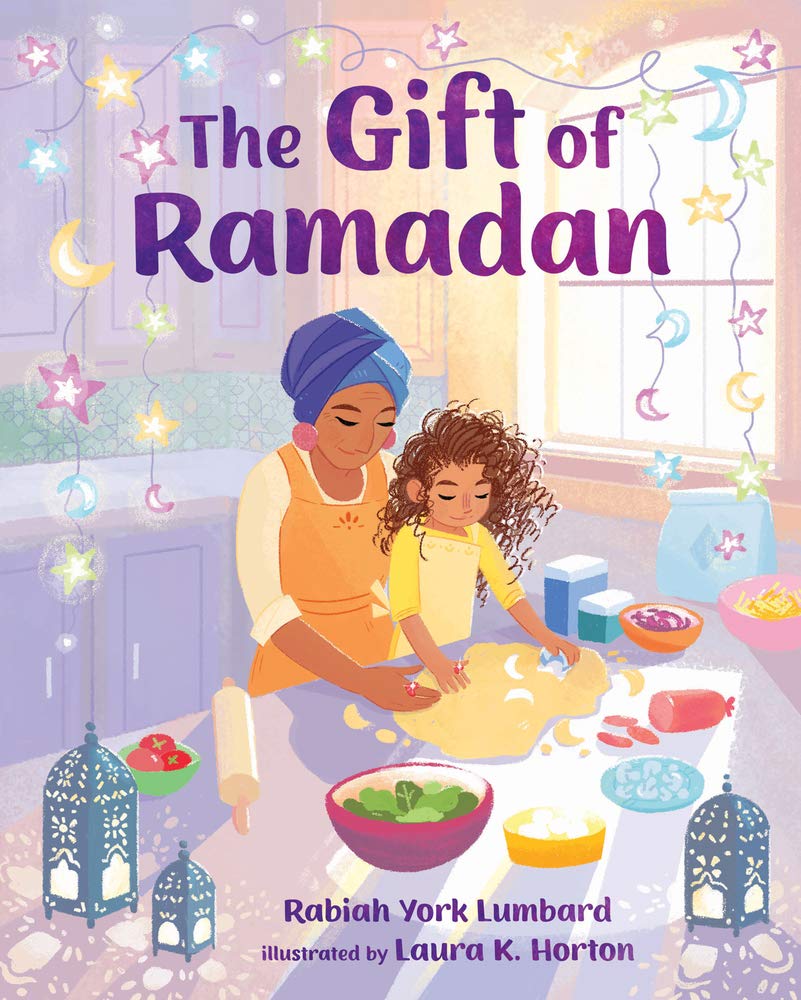
The Gift of Ramadan by Rabiah York Lumbard is the perfect book to teach about Ramadan for kids. It is a beautiful story about a girl named Sophia whose family begins their observance of Ramadan, a month of fasting, prayer, and community.
Early in the book, the whole family observes the thin crescent moon in the night sky and Sophia feels excitement and anticipation of trying to fast for the first time. Sophia learns that fasting is hard. This is a beautiful book that portrays Ramadan in a thoughtful, memorable, and graceful way. Your students will love it.
2. Complete Fun Activities about Ramadan for Kids
Explore Ramadan and Eid al-Fitr, the most important time of the year for Islam. With a Ramadan lantern craft, two Ramadan reading passages, four Ramadan activities for kids, and informative writing practice, you have everything you need for your students to explore Ramadan. Build community and cultural identity with this engaging lesson.
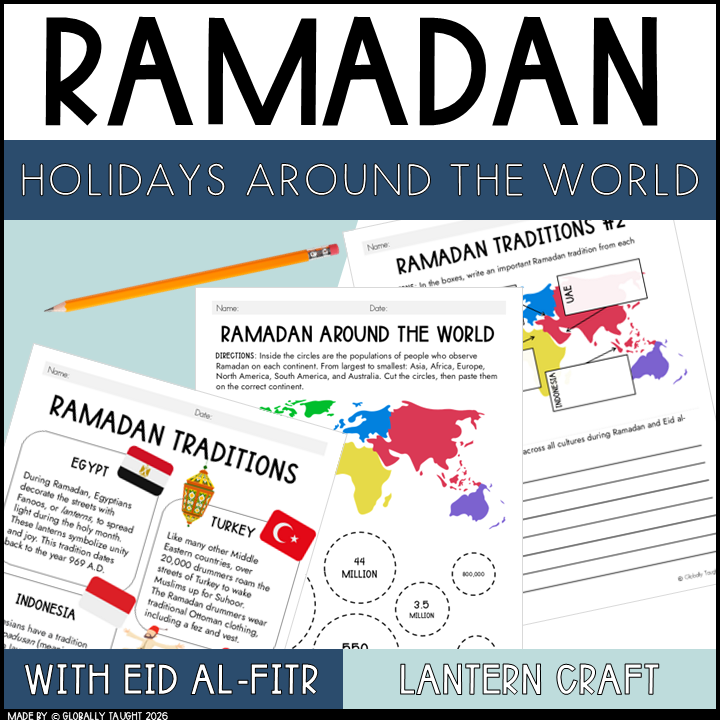
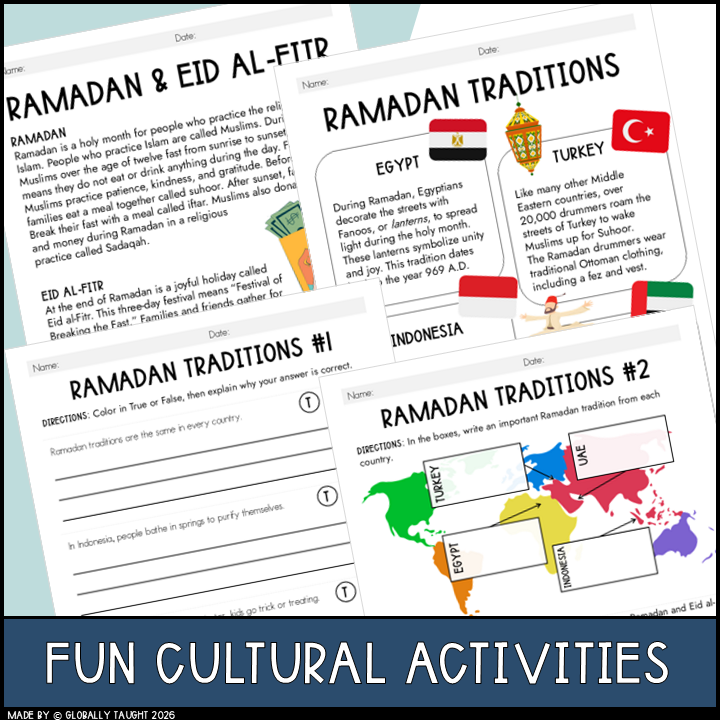
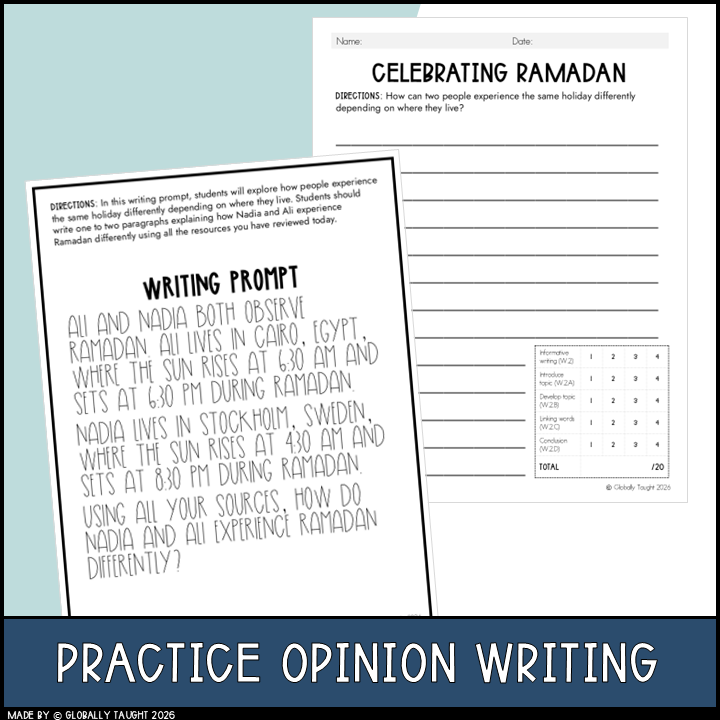
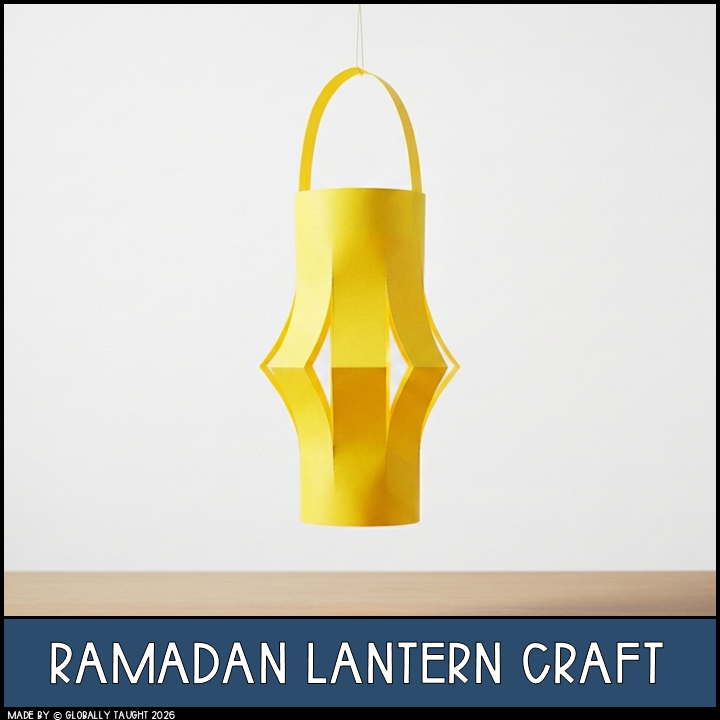
Explore Islam in-depth with this bundle, which includes our Ramadan and Eid al-Fitr lesson and activities. This bundle of resources is a fun and fact-based way to teach young kids about Islam and Ramadan for kids.
3. Have an Eid al-Fitr Celebration
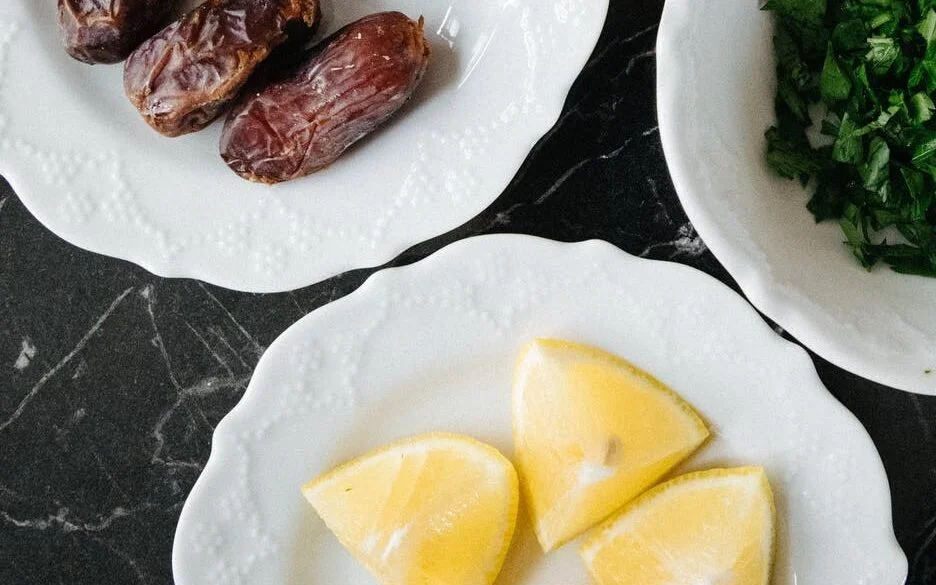
Photo by Meruyert Gonullu on Pexels.com
Introduce students to Eid al-Fitr through music, food, and dancing. Use apps like Spotify and iHeartRadio to access music from around the world. Play traditional songs for Eid al-Fitr. Bring some sweets and snacks for students to try. You can even use YouTube to do a quick lesson on how to write Eid al-Fitr in Arabic.
Small details bring cultural celebrations alive for students. Teaching these traditions and rituals from many different cultures gives your students an understanding that there is not one "right" way to observe or honor a holiday. Instead, there are many beautiful traditions around the world that allow people to celebrate their faith and their culture.
Tips for Supporting Muslim Students During Ramadan
1. Avoid making incorrect assumptions about your students.
Never assume that a student is Muslim. Not all people from the Middle East are Muslim. Not all Arabic speakers are Muslim. Many people who are Muslim don't fit into stereotypes. You can be Muslim and be from anywhere.
2. Respect their faith.
Students should never be forced to share their faith. If they choose to share with you that they are Muslim, that is great. Use the conversation as an opportunity to ask if they would like to share more about their faith and traditions with the class and respect their answer either way.
3. Acknowledge Ramadan in your classroom.
Make preparations on your bulletin board and in your newsletter so students know this important holiday will be acknowledged. Connect with parents and wish them a Happy Ramadan (Ramadan Mubarak,” which means “Have a blessed Ramadan"). Use this opportunity to ask if their child will be fasting during Ramadan. At the age of 12, children usually begin participating in the fast. It is a very exciting moment for the child. While parents and families are never obligated to share if they observe fasting for Ramadan, it is helpful information for you to make accommodations.
4. Make accommodations for mealtimes.
Ask students if they prefer to sit in a different space like the library during lunchtime. It can be difficult to be around food while fasting, although some students may want to spend time with friends. Ask their preference. If you work at a boarding school, ensure that students have access to meals in the late evening hours after the sun has gone down.
5. Be kind and lenient during classes.
This applies especially during recess and physical education. Students may have less energy, feel groggy, lethargic, tired, or grouchy during the day. Be encouraging, and let them know they are doing a great job.
6. If a student is not fasting, do not pry.
Sometimes people don't fast for personal or medical reasons. Sometimes young women do not fast on their period. Allow your students to lead the conversation in how much they want to share with you.
7. Be aware of the challenges of standardized testing during Ramadan.
You may be able to get religious accommodations for your students to take state tests before or after Ramadan.
8. Make accommodations for prayer.
Muslims traditionally pray five times per day, a few of which fall during the school day. There is one prayer at noon and one in the afternoon that must be completed within a certain time frame. Make sure your students have a private and clean place to kneel and pray in silence.
9. Be gracious, kind, curious, and supportive.
Students always need kindness from their teachers, but Ramadan is an especially important time to be flexible and understanding as students observe their fast and prayer.