
5 Powerful Videos for Teaching about World Cultures

5 Powerful Videos for Teaching about World Cultures
Culture is the shared traditions, beliefs, customs, language, food, celebrations, and values of a group of people. Teaching culture helps elementary students develop empathy, global awareness, and respect for different perspectives.
Discover our ‘What is Culture’ video collection for your classroom. Below are five engaging videos to help your students explore world cultures, traditions, and cultural identity with thoughtful discussion questions and teaching ideas.
Why Teach about Culture?
Culture shapes how we see the world and how we connect with others. The way we understand culture can either build bridges or create barriers. A meaningful place to begin is by having open conversations about culture with your students. Share examples of different cultural traditions, then invite students to reflect on their own backgrounds and experiences.
When introducing cultural traditions or holidays, make the learning personal and relatable. Present an example from another culture, then ask students to compare it to traditions in their own families or communities.
For example, people in China eat mooncakes for the Mid-Autumn festival. What do we celebrate in autumn? What do you like to eat on that day?
Helping students make these connections deepens understanding and fosters respect for diverse perspectives.
If you’re interested in having conversations about culture with your students, start with a dialogue. Globally Taught offers a fun lesson for young kids about culture that helps you start these big conversations with kids in a fun and engaging way.
5 Powerful ‘What is Culture’ Videos for Kids
Using multimedia is a powerful way to share information in the classroom. While it should not be the only instructional method, providing students with multiple ways to engage with new content increases understanding. Incorporating a video or podcast supports the learning process, while class discussions help deepen comprehension. Adding a creative project or hands-on activity reinforces learning in a meaningful way. Because different strategies resonate with different students, offering several learning opportunities makes it more likely that concepts will truly connect.
In order to take one thing off your busy schedule, here is a compiled list of kid-friendly videos on world cultures. Each video includes discussion questions to activate students' critical thinking and curiosity. (Read until the end for a special offer to kickstart your multicultural learning).
1. Kids Share Their Cultural Tradition | Hiho Kids
Kids Share their Cultural Traditions | Show and Tell | Hiho Kids
➡ Hiho Kids has the best videos for multicultural learning. In this video, kids share their own cultural traditions with a group of multicultural kids.
➡ 5 minutes
➡ Age Rating: ages 6-10
➡ Discussion Questions:
What is one of your cultural traditions?
What item would you bring to this play date?
Why would you choose that item?
2. Cultures of the World | Clarendon Learning
Cultures of the World | A fun overview of the world cultures for kids
➡ Clarendon Learning is a good resource that provides realistic examples of cultures. While animated videos are fun for kids, I love when videos actually show photographs. This video simplifies a complicated topic, but at times oversimplifies certain cultures, particularly in Africa. The video discusses Africa as a monolithic culture, and this gives you a good opportunity to address stereotypes and oversimplification.
➡ 10 minutes
➡ Age Rating: ages 8-12
➡ Discussion Questions:
What is culture?
What is a society?
How are they different?
What cultures are you a part of?
What are some examples of culture in your community?
What could this video do better?
3. How Diverse Is Africa? | KHANUBIS
How Diverse Is Africa? | KHANUBIS
➡ Counter the oversimplification of Africa in Video #2 with this video by KHANUBIS. This video previews the many regions, cultures, and languages found in Africa. It does a great job illustrating the cultural diversity in Africa. Be forewarned that the speaker of this video uses the word ‘damn’ once in the video.
➡ 9 minutes
➡ Age Rating: ages 14+ (1 swear)
➡ Discussion Questions:
How big is Africa?
What is something interesting you learned?
What surprised you about this topic?
What is the danger of oversimplifying Africa?
4. What Is Culture, According to Kids? | Milton Hershey School
What Is Culture, According to Kids? | Milton Hershey School
➡ In this culture video for kids, watch elementary school students reflect on the meaning of culture. Students are interviewed about the word 'culture' and what they think about it. Use this video to interview your students about culture too. Consider creating your own version as well!
➡ 2 minutes
➡ Age Rating: ages 5-8
➡ Discussion Questions:
What is culture?
How do you spell culture?
What are examples of culture?
How many cultures do you think there are in the world?
5. Polynesian Culture & Other National Geographic Expeditions
Polynesian Culture & Other National Geographic Expeditions
➡ In this video, National Geographic portrays various cultures in a respectful and accurate way. While these videos provide strong foundational content, educators can deepen learning by helping students make meaningful connections to what they observe. The videos serve as windows into other cultures; instruction should also provide mirrors. In other words, while multimedia offers insight into different cultural experiences, teachers can guide students to reflect, relate, and connect those experiences to their own lives.
➡ 3 minutes
➡ Age Rating: ages 14+
➡ Discussion Questions:
What are aspects of Polynesian culture?
What connections did you make to Polynesian culture?
What were your windows? What helped you see something in a new way?
What were your mirrors? What helped you make connections to your own life?
What Is Culture Lesson
Talking about cultures and belief systems can be tricky, but when you start these conversations at a young age, they become a natural part of your family life.
This lesson on culture is an interactive way to help kids understand their beliefs better.
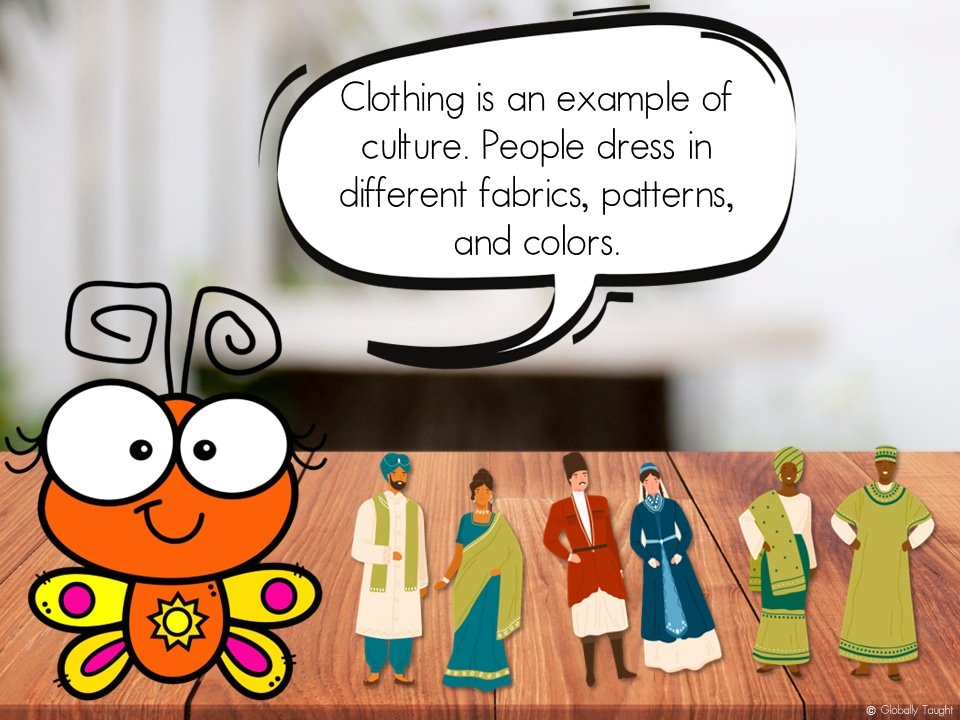
Interactive Culture Slides by Globally Taught
How it works:
Independent readers can click through the slides on their own and complete the activities.
Emerging readers will enjoy this lesson with a parent or teacher who can share the slides and activities with them.
Ask your kids questions about their beliefs and use your own beliefs as real examples for them.
More Cultural Identity Resources
While videos about world cultures are highly engaging, they represent just one component of effective instruction. Meaningful learning happens when students have multiple opportunities to explore and process big concepts like culture. At Globally Taught, lessons are intentionally designed to provide varied pathways for engagement so students can connect with new ideas in different ways.
Explore our bestselling Cultural Identity Unit below, featuring interactive activities that help students examine how culture shapes their names, families, clothing, and homes. It remains one of our most popular resources for fostering thoughtful conversations about identity and belonging.
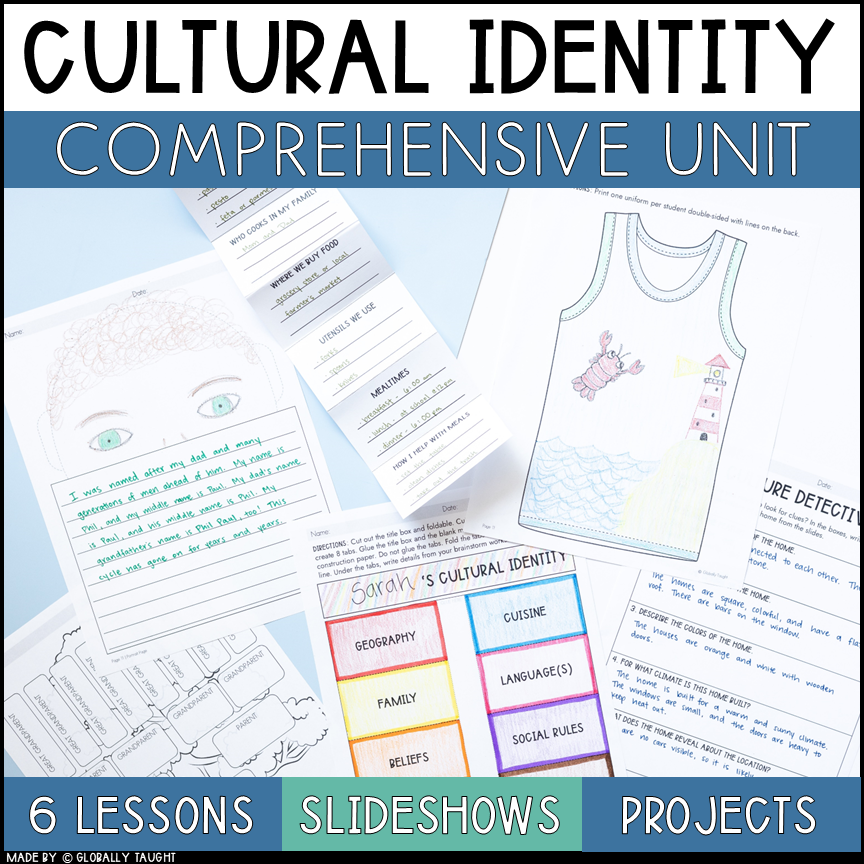
Help students explore culture, identity, family, and traditions while building a stronger classroom community.
This 2-week cultural identity unit includes 6 ready-to-teach lessons, 8 projects, 14 activities, and 6 teaching slideshows that give students meaningful ways to explore what makes them—and their classmates—unique.
Let me know which videos you liked in the comments below.