 Image 1 of 4
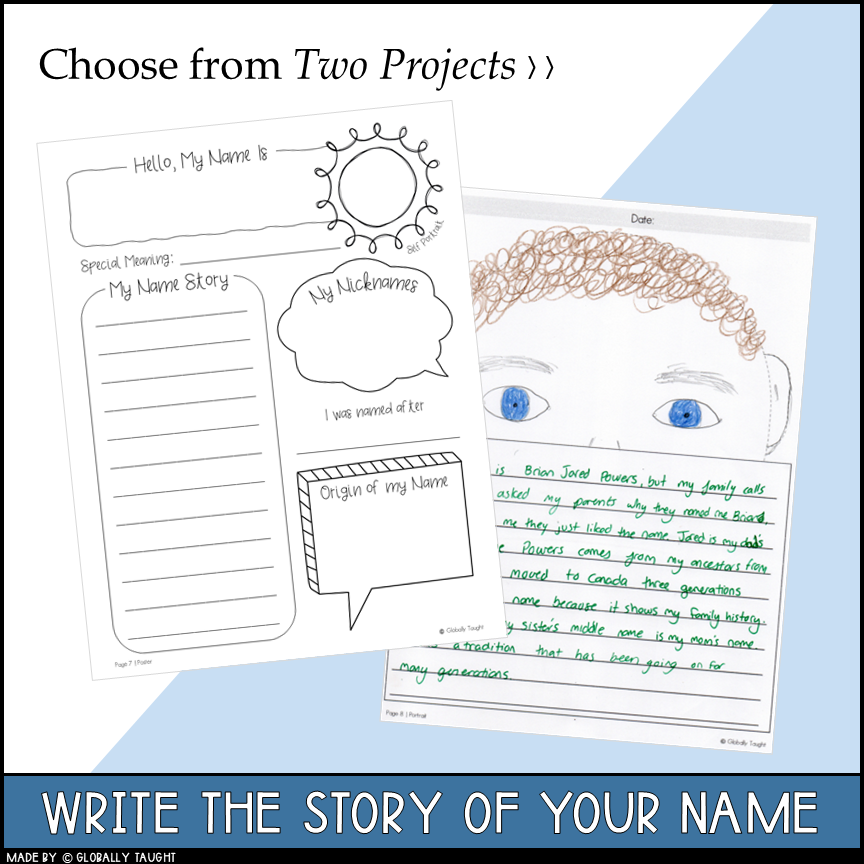 Image 2 of 4
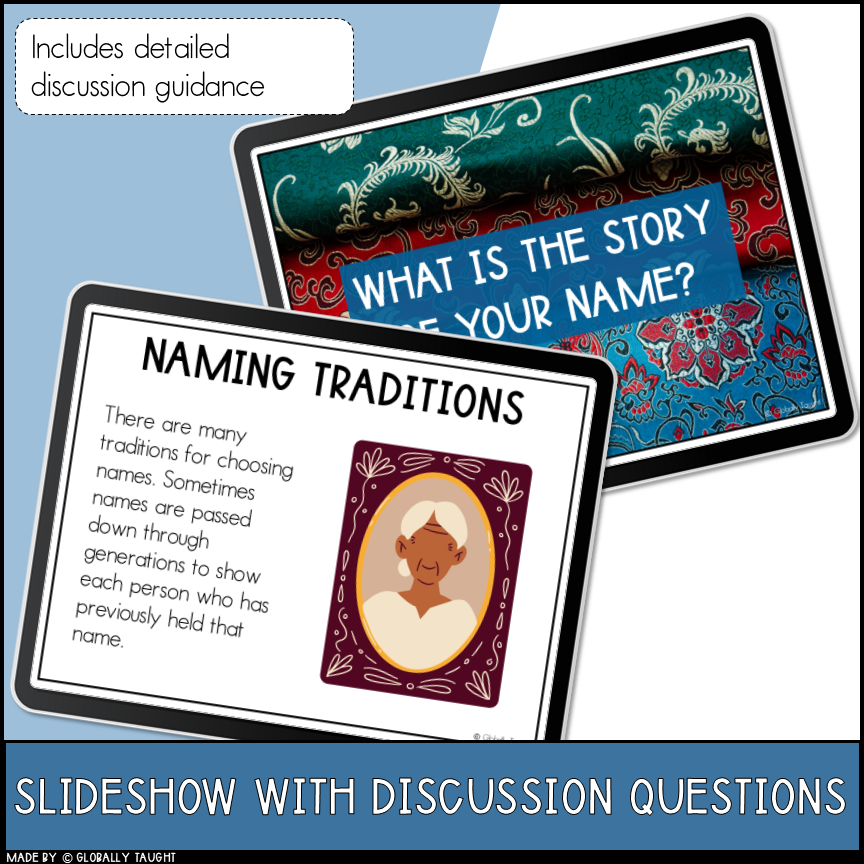 Image 3 of 4
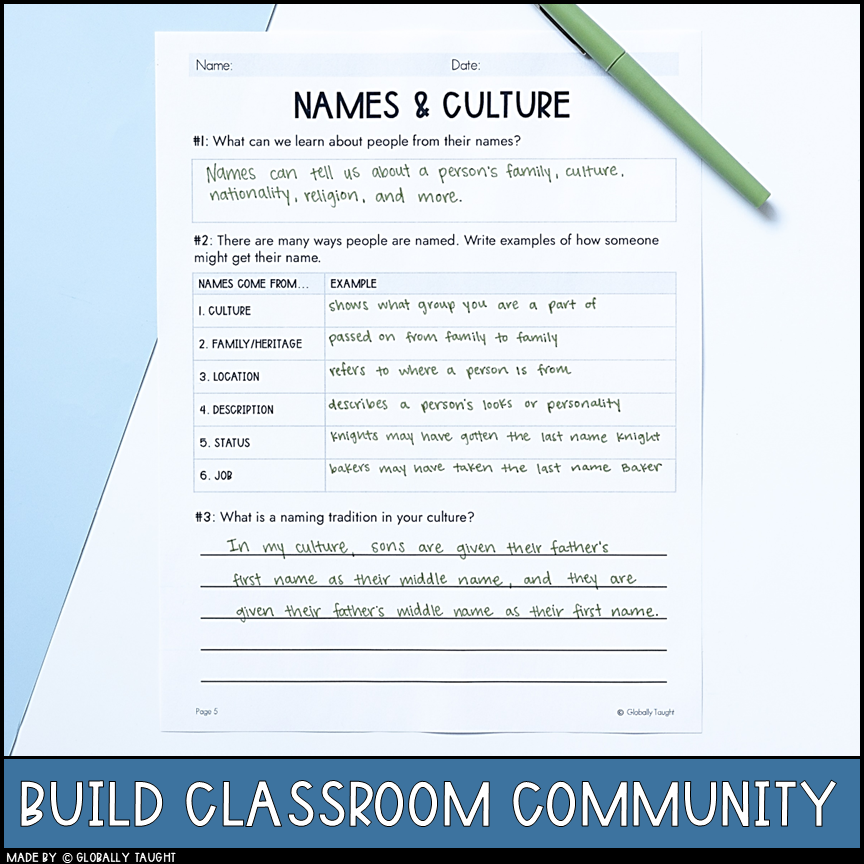 Image 4 of 4
Story of My Name Project - My Culture and Traditions Craft for 3rd-5th Grade
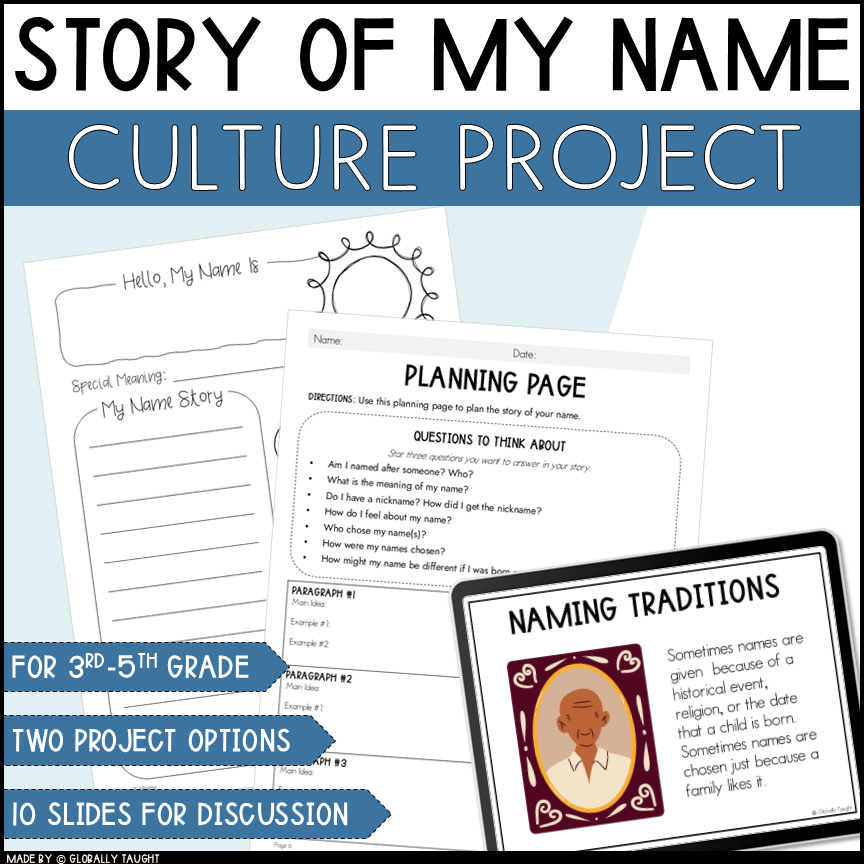
Help students discover the stories behind their names with this engaging cultural identity lesson and project! Students explore naming traditions in cultures around the world, learn how names reflect family history and cultural identity, and investigate the story of their own name.
Through an informative slideshow, classroom activities, and a choice of two projects, students make personal connections while building an appreciation for the many ways names are chosen and passed down across cultures.
What's Included?
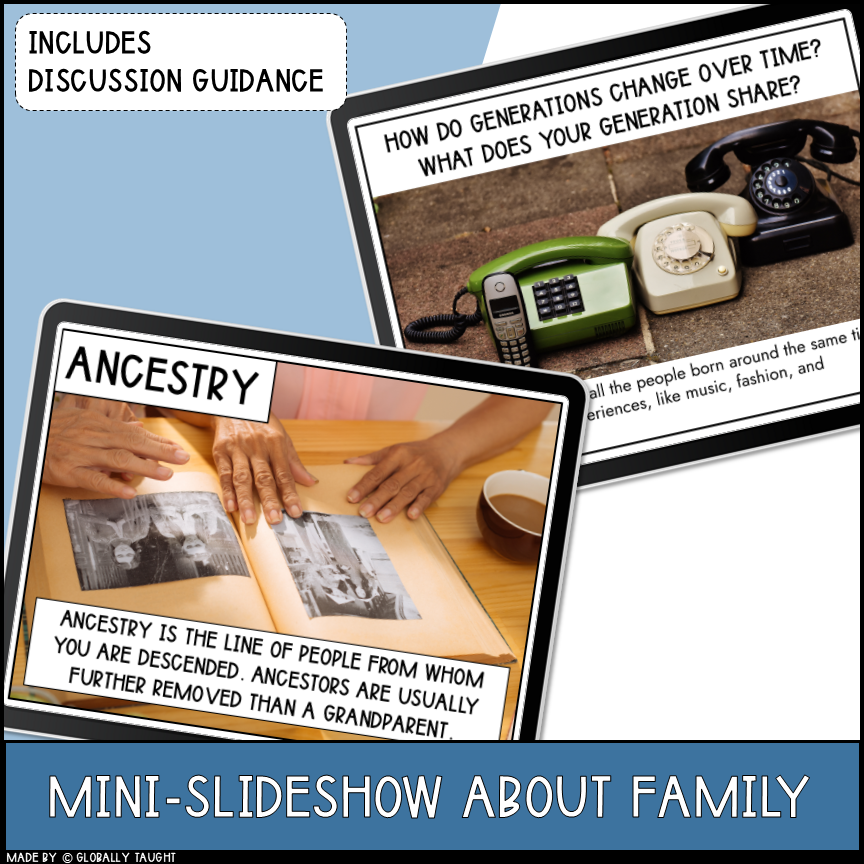
Mini-Slideshow: Introduce naming traditions and explore how names can reflect culture, family, and identity.
Naming Traditions Activities: Learn how naming practices differ across cultures and communities.
Story of My Name Project: Guide students in researching and sharing the story behind their own name.
Two Project Options: Choose from two ways for students to explore and present their name story.
Answer Key and Rubric: Check student understanding and review responses.
What Will Students Learn?
Explain how names can reflect cultural identity and family traditions.
Explore naming customs and traditions in cultures around the world.
Recognize that naming practices vary across cultures and families.
Investigate the meaning, history, or story behind their own name.
Appreciate the diverse experiences and traditions represented in their classroom.
How to Use This Story of My Name Project
Introduce naming traditions. Use the slideshow to spark curiosity and discuss how names are chosen across cultures.
Explore cultural connections. Examine different naming practices and discuss the ways names can connect people to their families and communities.
Investigate name stories. Give students time to ask family members about their names or explore the information available to them.
Create a project. Let students choose from two project options to share what they've learned about their name.
Reflect and share. Invite students to share their discoveries and recognize the different stories and traditions represented in the classroom.
Perfect For
Cultural identity and traditions lessons
My name and family history projects
Elementary social studies and multicultural education
Beginning-of-year community-building activities
Family interviews, writing connections, and student presentations
Designed for Grades 3–5
This cultural identity project helps students connect social studies concepts to their own lives while developing curiosity about the world around them. By exploring both their personal experiences and naming traditions across cultures, students learn that names can carry meaning, history, and connections to family and community.
Create meaningful opportunities for students to share their stories, learn from one another, and celebrate the diversity of your classroom.
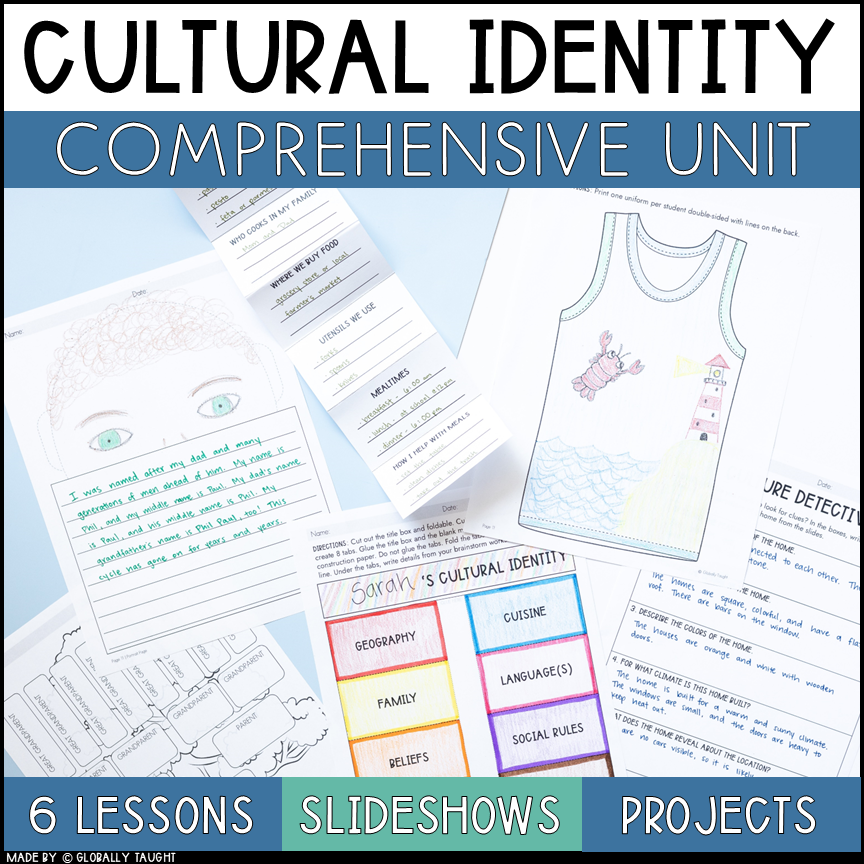
Looking to build classroom community and global awareness? Explore our Cultural Identity Unit, which includes six lessons with ready-to-use activities, projects, and crafts for two weeks of cultural studies.
Lesson 1: What is Cultural Identity
➡️ Lesson 2: Story of my Name Project
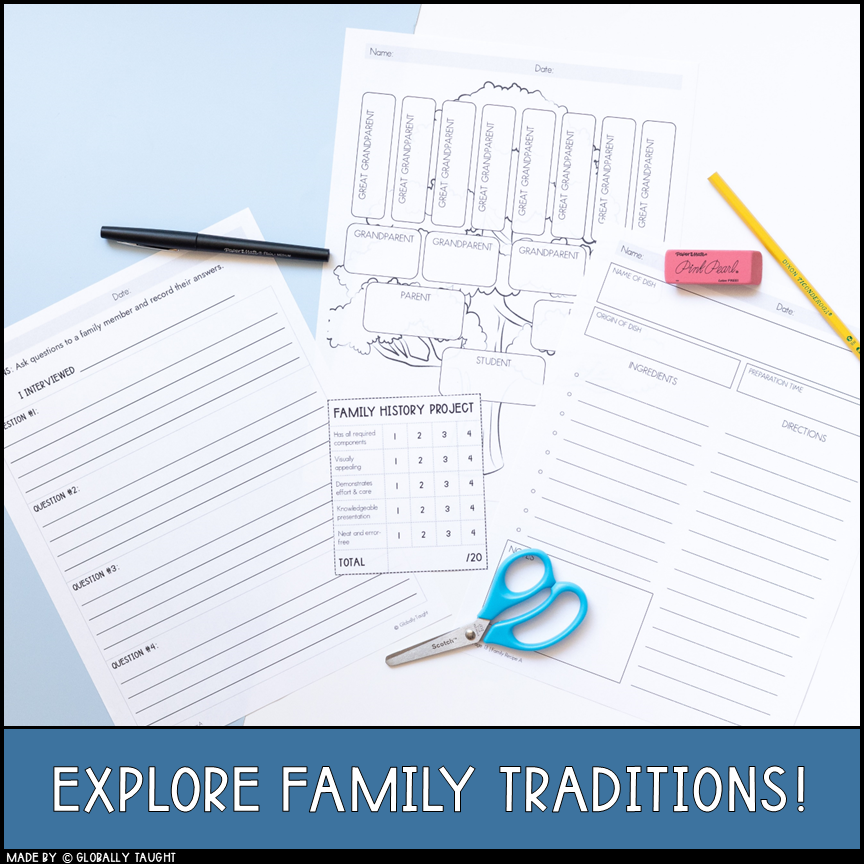
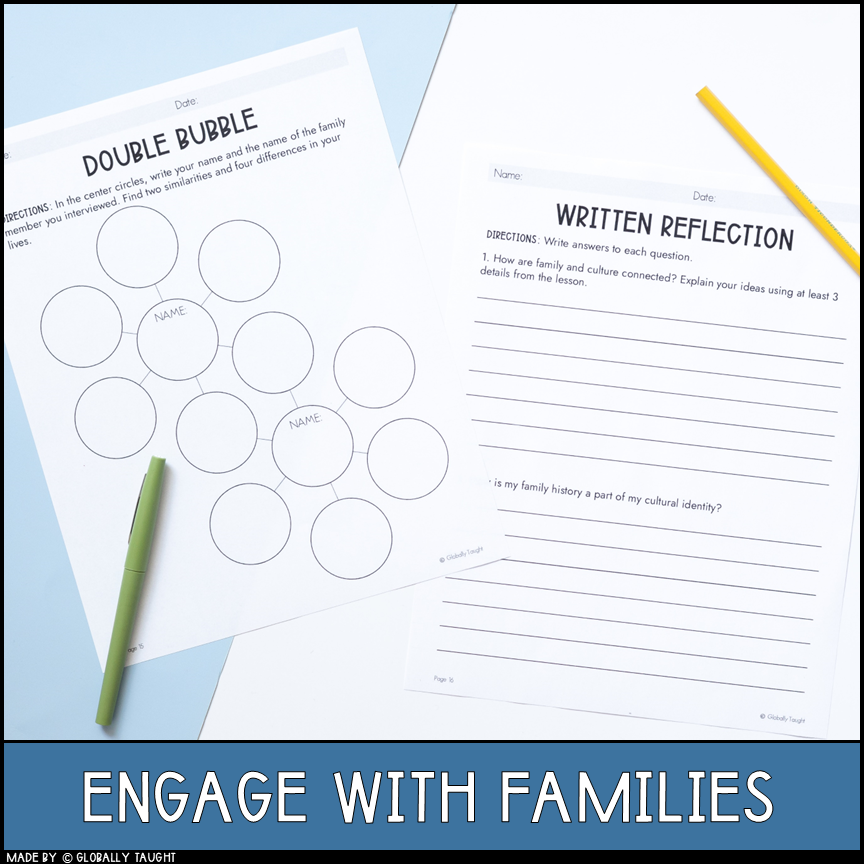
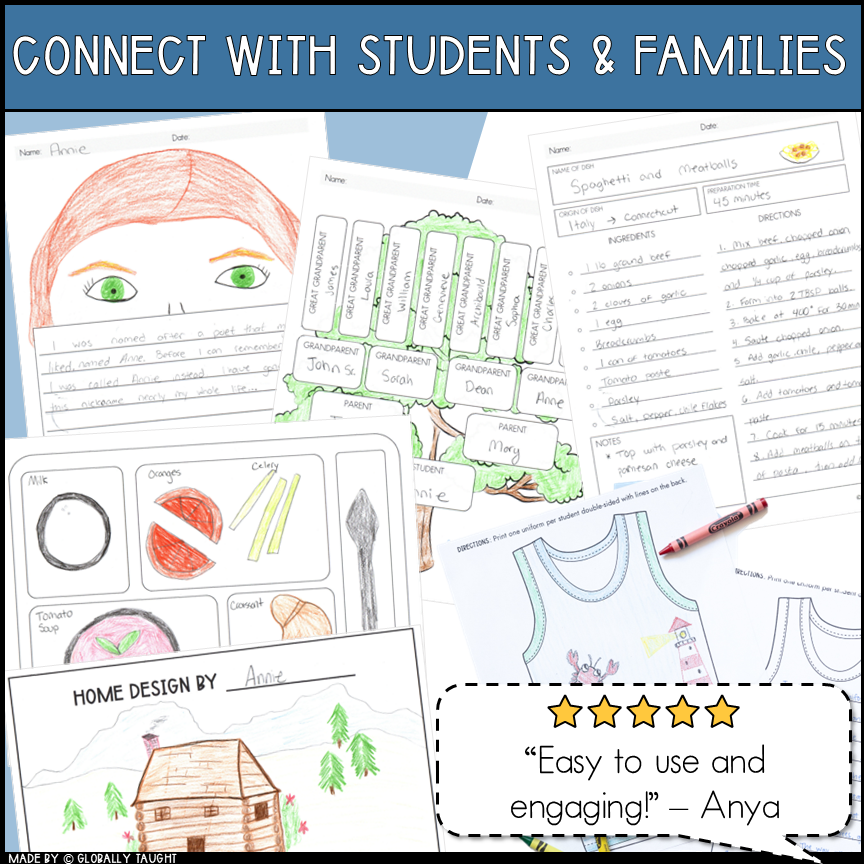
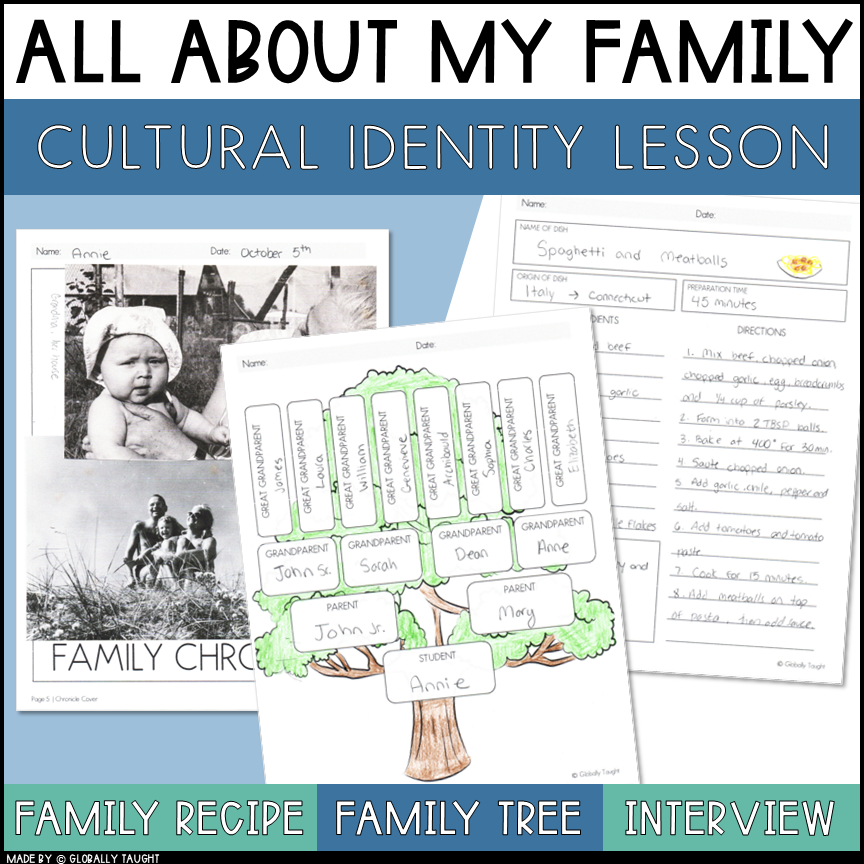
Lesson 3: Family Traditions Project
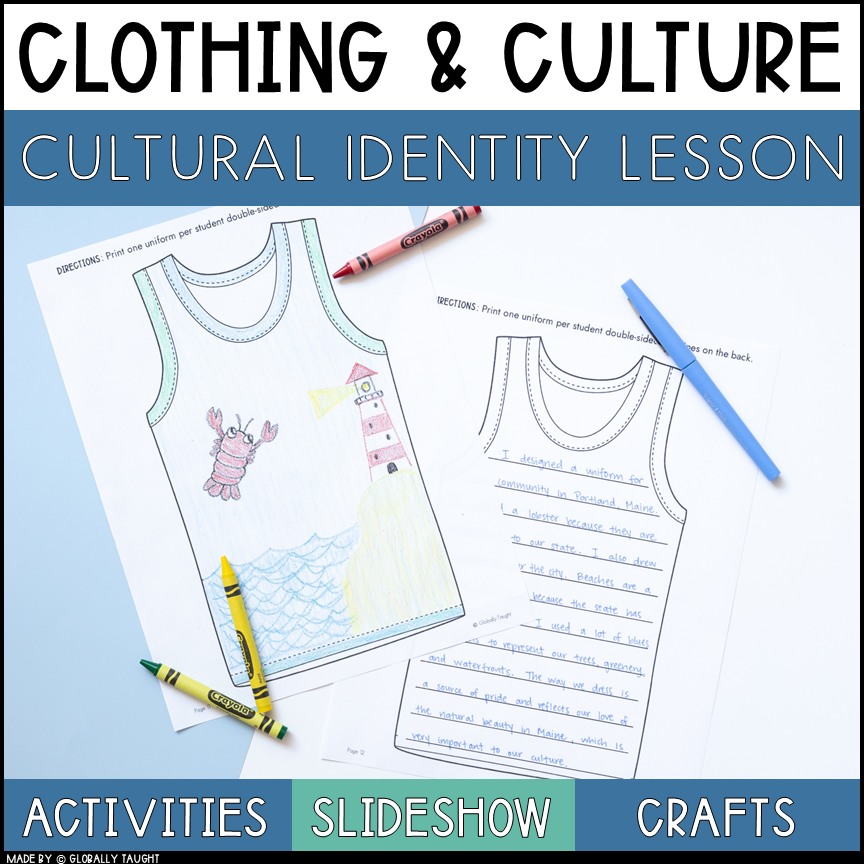
Lesson 4: Clothing and Culture Lesson
Lesson 5: Food around the World Lesson
Lesson 6: Homes around the World Lesson
Before You Purchase
This is a digital download. No physical product will be shipped.
The resource is provided as a ZIP file containing the unit materials. Please make sure your device can open ZIP files and the included file formats before purchasing.
This resource is not editable unless otherwise noted.
Your purchase includes a single-teacher, single-classroom license. Please purchase additional licenses if you intend to share the resource with other teachers.
You will be able to access your purchase through your Globally Taught account and receive future updates.
Please preview the resource before purchasing to make sure it is a good fit for your students and teaching needs.
Quick Product Details
Grade: 3rd-4th
Pages: 10 Slides | 20-Page Lesson Plan
Teaching Duration: 90 minutes
Answer Key: Yes with rubric
Format: ZIP file with PDF and PowerPoint slides